

























































As the mercury soars in Tampa, city officials are stepping up efforts to combat the dangers of extreme heat, particularly for its most heat-vulnerable residents. Today, Tampa is revealing its first "Heat Resilience Playbook," a strategy developed in partnership with the University of South Florida and the nonprofit Resilient Cities Catalyst, aiming to fortify the city against scorching temperatures.
The playbook zeroes in on East Tampa, earmarking 18 steps tailored to provide relief and safeguard residents. Mayor Jane Castor, stating to Tampa.gov, "The dangerously high temperatures we are experiencing make heat resilience one of our most urgent matters." Castor's commitment reflects a response to disparities across the cityscape: areas with fewer trees and an abundance of concrete that notoriously trap heat, hitting hard the elderly, young, outdoor workers, and those with chronic illnesses like asthma.
In recent years, Tampa has seen a drastic spike in extreme heat events. 2022 recorded 89 days with the heat index vaulting over 100 degrees, while July 2023 was the hottest July on record for the city. A tool developed by the University of South Florida, the Heat Vulnerability Index, has been instrumental in guiding policymakers to the neighborhoods most in need of cooling interventions.
The city's "Heat Resilience Playbook" isn't just about short-term fixes; it’s a blueprint for long-term structural change. "Although the playbook was created through a lens of equity, the policies and tools included in the playbook can be applied to all areas of the city, while also educating residents citywide with tips and programs to keep themselves, their homes, and their communities cool,” Sustainability and Resilience Officer Whit Remer noted in a statement obtained by Tampa.gov.
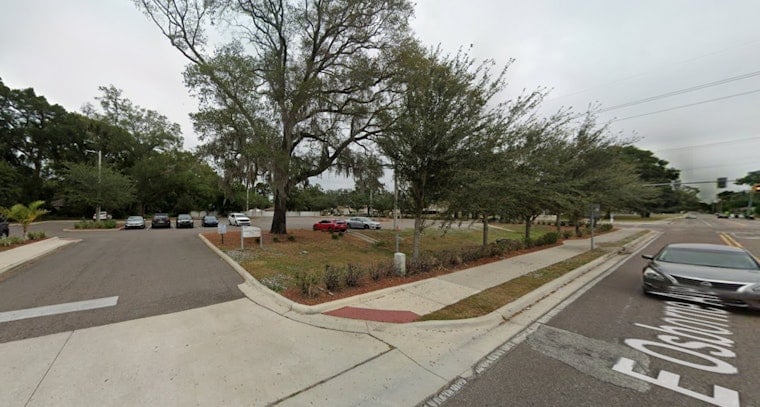
In a bid to jumpstart this initiative and showcase what can be done to beat the heat, Tampa is hosting a community event today. It's set to take place at 2106 E. Osborne Ave from 11:30 A.M. to 1:30 P.M., where attendees can experience a cool corridor demonstration. Features include shaded sidewalks, hydration stations, and cooling gardens designed to mitigate heat stress. Participants are encouraged to come prepared to combat the heat and will be provided with cooling packs containing items like sunscreen and cooling towels.




