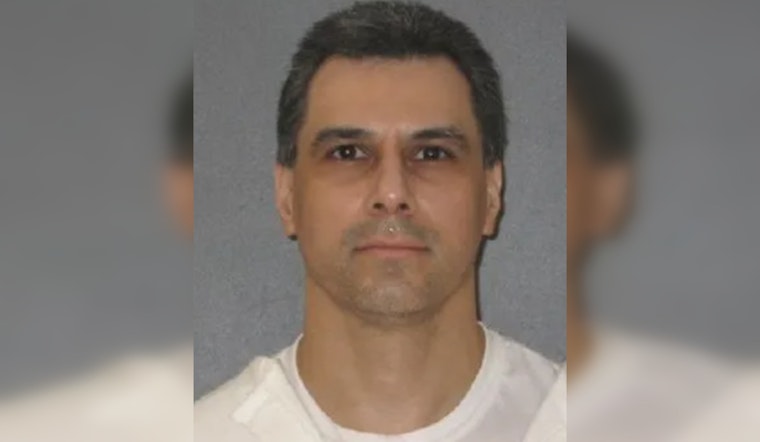
Today, Texas is poised to execute Ruben Gutierrez for the 1998 murder of Escolastica Harrison in Brownsville, an event marking the state's third execution this year. Gutierrez, now 47, who received his death sentence in 1999, has consistently proclaimed his innocence and sought DNA testing of evidence never examined at the original crime scene, a request that the courts have continuously denied, according to The Texas Tribune.
The victim's nephew, Alex Hernandez, intends to witness the action, having been thwarted once before in 2020 when the U.S. Supreme Court intervened merely an hour before the execution, bringing to an abrupt halt what seemed to be the conclusion of his long ordeal, with Hernandez telling The Texas Tribune, “it’s just really hit home.”
Gutierrez was convicted alongside two accomplices for Harrison's death, happening during a home robbery where she was alleged to have kept $600,000. His co-accused Rene Garcia is serving a life sentence; meanwhile, the third, Pedro Gracia skipped bail and is currently at large. Despite his conviction, Gutierrez contends that he took no part in the murder, a claim his attorneys support with calls for DNA analysis on evidence like fingernail scrapings, a strand of hair, and blood stains found at the murder scene, as reported by The Texas Tribune.
Texas prosecutors rebutted the need for DNA investigation, arguing under Texas’ law of parties even if Gutierrez's DNA is absent from the evidence, it wouldn't absolve him since he admitted to planning the robbery, a detail Gutierrez's lawyers argue was coerced by detectives threatening his family's well-being. Gutierrez's legal representation continues to challenge Texas’ stringent regulations on DNA testing after conviction, branding it a “catch-22” situation, where proof of innocence becomes paradoxically unattainable, a position acknowledged by a federal district court before being overturned by the Fifth Circuit Court of Appeals.
Despite several previous stays of execution based on various legal disputes—including a clerical error and a contested Texas policy regarding religious advisers in the execution chamber—Gutierrez's clemency plea was rejected, and barring any last-minute interventions, the state will carry out the execution. Hernandez, carrying the weight of a promise to his mother, awaits what he considers the closing of a painful chapter, expressing to The Texas Tribune both forgiveness and a steadfast belief in the necessity of justice, “My aunt would probably want me to forgive him, and I do. But he has to pay for his crime.”