

























































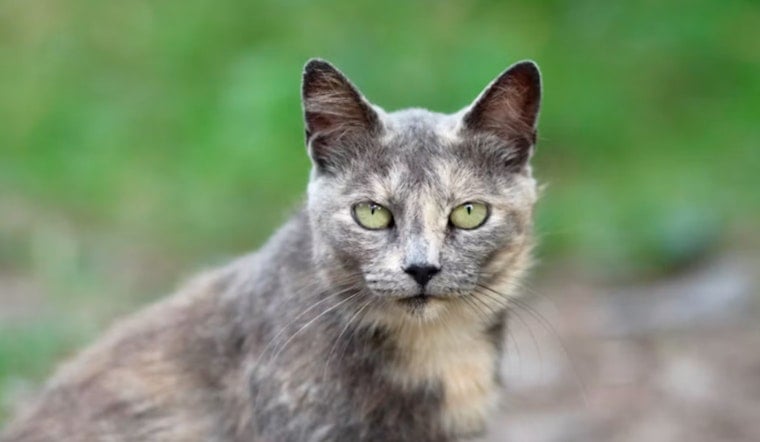
A cat picked up acting aggressively in the 800 block of West Mill Street on Monday has tested positive for rabies, prompting New Braunfels to pause its feral cat sterilization program in a one-mile radius around the discovery for the next four weeks. It's the second confirmed rabies case in the city within a single month, following an earlier August incident in which animal welfare staff recovered a deceased rabid fox that had come into contact with a local woman.
New Braunfels Animal Welfare staff collected the cat after it was reported exhibiting strange conduct, according to San Antonio Express-News reporter Liz Teitz, who covers water and environment issues across San Antonio and the Hill Country. The city is suspending its Trap, Neuter, Release program, known as TNR, in the affected area, meaning trapped feral cats won't be sterilized and released back into the community colony until officials confirm no further positive cases emerge during the pause. The program will resume in that zone if the four weeks pass without another confirmed case, per the same report.
A City's Standard Playbook for a Second Outbreak
This isn't New Braunfels' first time reaching for this exact tool. Animal welfare officials previously detected a rabid cat in the 200 block of Cross River Street, which similarly triggered a four-week, one-mile TNR suspension while the city evaluated potential disease spread, according to a New Braunfels Animal Welfare Facebook post. The repeat pause underscores a tension animal welfare groups navigate constantly: TNR programs sterilize and vaccinate feral cats to control overpopulation, but active rabies cases force handlers to hold off on releasing potentially exposed animals back into the community, according to a Humane Society of New Braunfels Area Facebook post.
The city has urged residents to avoid wild animals such as foxes, raccoons and bats, and to report any unusual animal behavior rather than approach it directly. Warning signs include partial paralysis, difficulty walking, circling, staggering, unexplained aggression or unusually tame behavior in an otherwise wild animal, the report notes. Anyone bitten or scratched should seek medical attention immediately, and residents can reach New Braunfels Animal Welfare staff at 830-608-2183 to report a sighting.
Why the Timing Isn't a Coincidence
Rabies attacks the brain and nervous system and is often transmitted through bites and scratches. It can be deadly if medical treatment isn't received before symptoms appear, and rabies is nearly 100% fatal once clinical symptoms set in, according to Centers for Disease Control and Prevention guidelines. Post-exposure treatment for a person bitten or scratched by a rabid animal requires immediate wound cleansing, human rabies immune globulin, and four vaccine doses spread over 14 days, with typical uninsured costs running from $3,800 to more than $8,000 per person, per CDC guidance.
The New Braunfels case lands squarely inside a broader Central Texas surge. Comal County has reported 15 confirmed rabies cases in 2026, while Hays County has logged 22 and both Bexar and Travis counties each carry more than three dozen confirmed cases this year, per the Express-News report. The I-35 corridor is currently leading Texas in confirmed rabies cases for the year, per Texas Department of State Health Services attribution cited in the same reporting.
Regional Officials Have Already Sounded the Alarm
Hays County leaders aren't treating this as background noise. The Hays County Commissioners Court passed an emergency resolution in June to address a surrounding Hill Country rabies outbreak among foxes, skunks and bats, after county rabies cases jumped from two in 2020 to 10 in 2025 and climbed to 16 by mid-2026, according to KVUE. State surveillance data compiled through July classified Bexar and Travis counties as statewide rabies hotspots, driven in part by a fox population outbreak that spread across the Comal County line, Texas Public Radio reported.
Statewide, bats and skunks remain the leading rabies reservoirs, with 90 and 87 confirmed cases respectively through July, while domestic cats accounted for 14 confirmed cases statewide in 2026, according to the same Texas Public Radio report. Rabies in the United States is most commonly found in bats, skunks, raccoons and foxes, per CDC data, but outdoor cats can act as a bridge between infected wildlife and human residents.
What Pet Owners Are Required to Do
Texas law requires dog and cat owners to vaccinate their pets against rabies by four months of age, and failing to do so is a Class C misdemeanor that upgrades to a Class B misdemeanor on a second conviction, under Texas Health and Safety Code sections cited by the state's statutes. Comal County Order 171 goes further, mandating an initial rabies vaccination between three and four months of age, a booster within 12 months, and revaccination at least once every three years, according to Comal County Animal Control; new residents get a 10-day window to bring pets into compliance.
For unvaccinated pets that do get exposed to a rabid animal, Texas offers an alternative to euthanasia: a 90-day strict isolation protocol paired with a multi-dose post-exposure vaccination schedule, which has achieved a 99.8% survival rate in state tracking, according to the Worms & Germs Blog. To chip away at the wildlife reservoirs feeding these outbreaks, the Texas Department of State Health Services has run its Oral Rabies Vaccination Program since 1995, aerially dropping nearly 55 million edible vaccine baits over 770,000 square miles to build immune barrier zones among gray foxes and coyotes.
New Braunfels and Comal County officials issued a similar public health warning back in October 2025, when Hoodline reported rabies cases hit 20 for the year after a wild fox tested positive. Nearly a year later, the pattern is repeating: another confirmed case, another temporary program pause, and another reminder for residents to keep their distance from animals acting strangely.





