

























































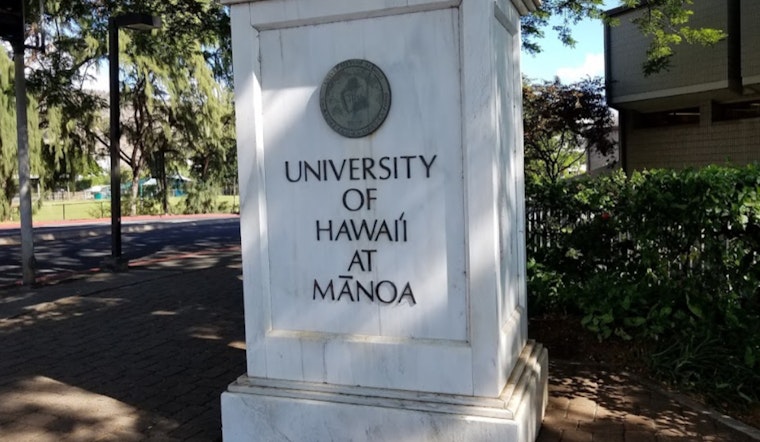
In a profound attempt to understand and bolster how governments and communities respond to natural disasters, a team at the University of Hawai’i at Mānoa (UH Manoa) is delving into a deep study regarding the 2023 Lahaina, Maui wildfire, reported KHON2 and Maui News. The study, sporting a heavy price tag of $3.8 million funded by the National Institutes of Health, focuses on scrutinizing the impact of the wildfire on physical and mental health within the affected communities, particularly shedding light on pre-existing health disparities that were exacerbated among Native Hawaiian, Pacific Islander, Filipino, and Mexican communities due to cultural insensitivities.
Covering the devastating event that occurred in August 2023, which claimed 102 lives and displaced roughly 14,000 individuals amidst an almighty blaze, the examination encompasses a two-phase structure aimed at enhancing future disaster readiness and recovery processes—and this isn't merely an academic exercise, for the researchers are forging ties with the lifeblood of Maui, engaging with those who bore the brunt of the tragedy, including individuals who had their lives overturned losing their homes and livelihoods, and those heroes who combated the flames as frontline first responders, "We're really engaging community folks, stakeholders, those who are directly impacted by the fires who lost their homes, who lost their jobs, but also, we’re talking with frontline first responders," Professor Keawe’aimoku Kaholokula, chair of the Department of Native Hawaiian Health told KHON2.
The first phase targets garnering data to comprehend physical and mental repercussions, while the latter phase zooms in on the impediments to healthcare and related services before and after the inferno, linking these barriers to factors such as age, ethnicity, Medicaid eligibility among others, as per the study titled "Population Health and Health System Resiliency Following Maui’s Wildfire Disaster," steered by Alex Ortega, dean of UH Manoa, together with Keawe’aimoku Kaholokula. "There is a general perception that everything related to the wildfire, from disaster preparedness to the response and recovery, to communications, could have been better. We want to see if the data support those perceptions," Ortega elucidated in an interview with Maui News.
UH researchers are set to collaborate with students from UH Maui College for data collection and analysis, acknowledging the comprehensive nature of the phenomenon they are studying, as the incursion of such natural catastrophes, most likely amplified by anthropogenic climate change, become all too common, with the violent Lahaina fires, in particular, having been fueled by wind speeds reaching upwards of 80 miles per hour and now noted as one of the most devastating to date.





