

























































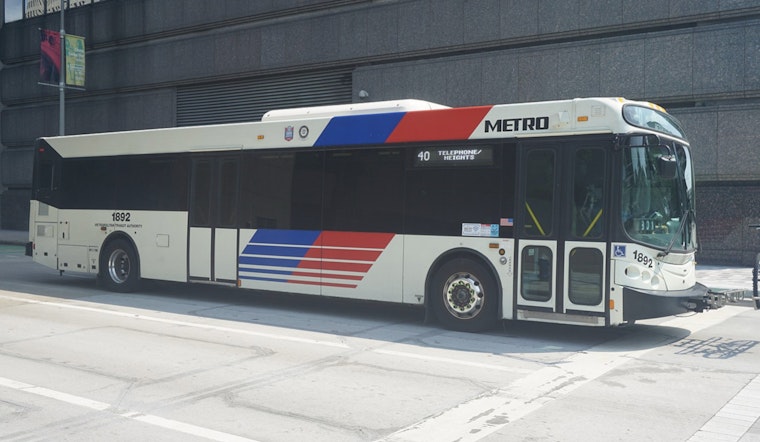
In light of recent decisions by Houston's METRO transit authority, students at the University of Houston are gearing for a push against the paused University Corridor Bus Rapid Transit (BRT) project. Approved by voters in 2019, this project was intended to enhance connectivity but has since encountered a roadblock. The shelving, attributed to financial constraints and operational shifts post-COVID, raises concerns about the transit plan's future which once featured a 25-mile connection spanning key educational institutions and transit centers.
Advocates for the project, including students, view the BRT as crucial for access to higher education. According to the Houston Chronicle, University of Houston's Student Government Association has passed a resolution urging METRO to reconsider its pause. Voicing the students' sentiment, Savannah Bivens, who co-authored the resolution, stated, “The commuter students at UH are the heart of UH. We were so hopeful for this.” Meanwhile, the new METRO Board Chair Elizabeth Brock, focusing on issues of ridership and financial soundness, has put a pause on the corridor, citing that "without the numbers working, we cannot move forward."
The impact of reliable transportation on academic success was highlighted in a 2019 survey by Kate Elengold, assistant professor of law at the University of North Carolina School of Law. Notably for students from the Latino community, the absence of dependable transport was tied to decisions to drop out of college. University authorities, on the other hand, have expressed concerns about the project, with UH officials citing potential traffic disruptions and accessibility issues during major events, as per their response to Metro detailed in Renu Khator's letter.
Escalating costs and revised priorities have put the University Corridor BRT on hiatus, as noted by Texas Standard, following the appointment of six new directors, including Brock. Democratic Precinct One Commissioner Rodney Ellis criticized the move, suggesting that deferring federal funding essentially kills the project. "You can say you’re doing something else, but I think you are killing it," Ellis told a Harris County Commissioners meeting. Meanwhile, positions such as those by new board member Alexandra del Moral Mealer, also appointed by area mayors, shed light on the need to bolster safety and cleanliness in existing transit facilities, explaining how they often operate as makeshift centers for behavioral health and homeless services.
At the crossroads of budgeting and social responsibility, the future of METRONext, housing several transit improvement initiatives beyond BRT, remains uncertain. As ridership lags behind pre-pandemic levels, and the focus shifts to base-level service enhancements, METRO’s broader commitment to accessibility and infrastructure advancements could face setbacks, stirring debate among voters and civil leaders about the trust and efficacy of future projects and plans.





.jpg)