

























































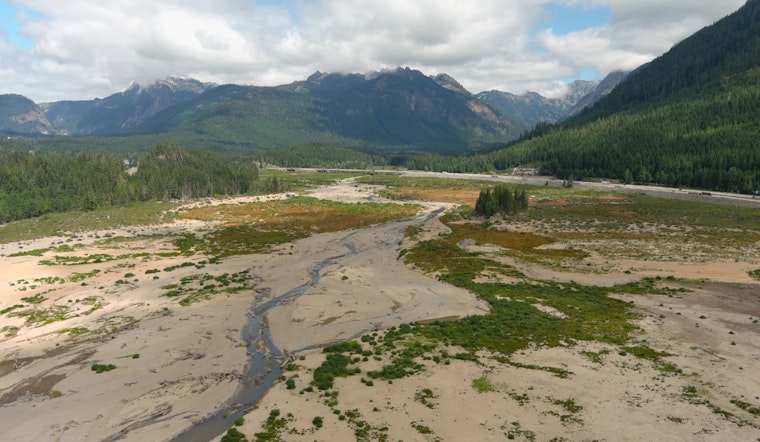
In response to drought conditions in Washington State's Kittitas and Yakima counties, the Washington Department of Fish and Wildlife (WDFW) is taking to the skies. Starting July 9, WDFW staff will execute a series of drone flights aimed at observing how depleted water flows are impacting bull trout, a species currently deemed threatened under the federal Endangered Species Act. As water levels diminish with the progression of summer, drones will be assessing the emergence of potential barriers hindering fish migration.
The drones will soar over streams in the lower reaches, tracking their path to U.S. Bureau of Reclamation reservoirs in the Yakima and Naches River basins. Flights, occurring from lands managed by the Bureau or the United States Forest Service, will be limited to daylight hours during the workweek. "We use the images and video footage we get from the flights for maps of the stream reaches to see the loss of water," Josh Rogala, Fish Passage Biologist for WDFW's Region 3 Habitat Program, told the organization's newsroom. This information, coupled with in-person ground surveys, will be instrumental in determining where to focus rescue efforts for the bull trout.
Drone activity will comply with rules from both the Federal Aviation Administration and the WDFW, with pilots maintaining a line-of-sight to their unmanned aircraft. This is to ensure the safety and minimize disturbances to the wildlife or public. Flights will be postponed if conditions threaten the ability to pilot the drones responsibly or safely. Members of the public can rest easy knowing that these operations aren't expected to disrupt their usual activities or necessitate area closures.
While specific dates for the drone flights have yet to be determined, they will be scheduled based on a variety of factors: water level, weather conditions, and the site-specific circumstances that change with the season. Each flight campaign will take an estimated two to four hours, and if conditions necessitate, additional flights may be conducted to help restore fish passage.





