

























































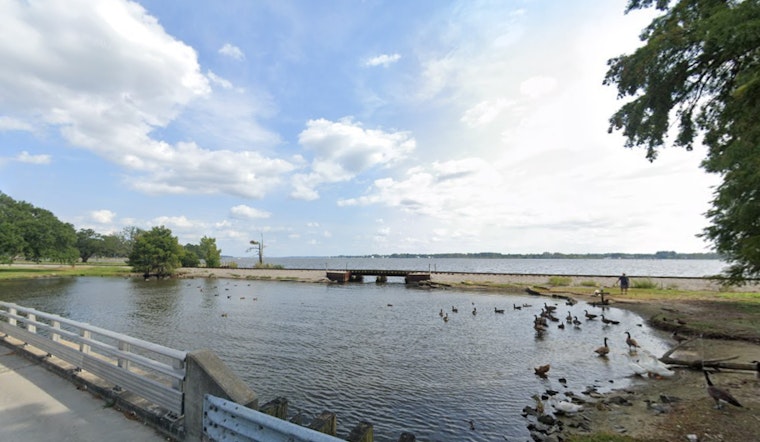
North Carolina's ongoing struggle with water quality has come to the fore once again. A report by Sound Rivers, an organization that monitors water quality, shows that six river sites failed their weekly fecal bacteria tests. Notably, sites such as Havens Gardens in Washington and Bonner Point in Bath showed elevated levels of fecal bacteria, which poses a risk for gastrointestinal diseases and skin infections.
The report details that while 23 sites in the central region, around Raleigh have passed their E. coli tests, there are still significant concerns, especially in the eastern part. Heavy rains have been indicated as a contributing factor to the pollution, as they can wash pollutants into the waterways. According to Sound Rivers, "Many tested areas have seen good results in the last few weeks, largely due to minimal rainfall." However, they caution, "Heavy rains some areas are experiencing now can wash pollutants into the waterways."
One particular point of concern has been Slocum Creek near New Bern on the Neuse River, which has failed the water quality test for the eighth consecutive week due to failing septic systems. This persistence signifies a deeper, systemic infrastructure problem that affects local waterways. Additionally, the level of fecal bacteria found at Pierce Creek raises the issue of water safety in populated recreational areas.
Tests are comprehensive, factoring in both E. coli and enterococci bacteria, to assure thorough assessment of freshwater and saltwater quality. The underlying message of the Sound Rivers report is clear - for cleaner water, significant attention and resources must be poured into better water management and the maintenance of ageing infrastructure. In view of the recent findings, homeowners are advised to consider additional measures such as installing reverse osmosis filtration systems and whole-home water conditioners, which can help reduce contaminants in water used for drinking and recreational purposes.



