

























































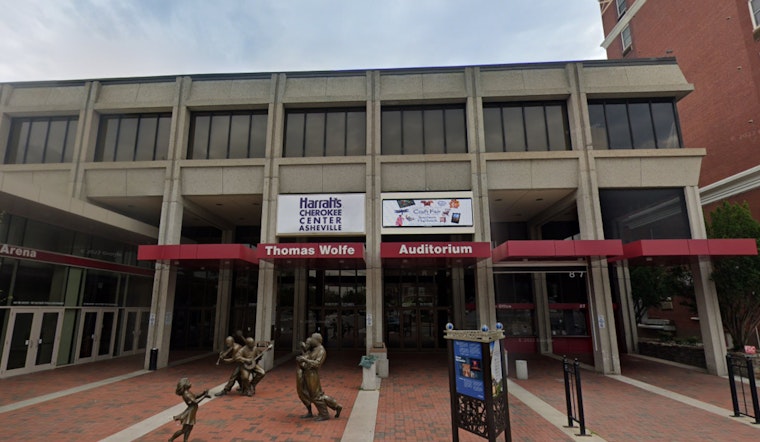
Asheville, a city known for its vibrant arts scene and historic architecture, was marked by heightened anticipation and acute division on Wednesday as former President Donald Trump returned for a public event—his first since a campaign visit in 2016 that ended with arrests and unrest. Supporters gathered early, with some, like Arden resident Gayle Riggs, to secure their places in line at the Thomas Wolfe Auditorium. "I love what he stands for. I'm a big supporter of his," Riggs conveyed in an interview covered by News 13.
Riggs and others awaited Trump's discourse on the ramifications of the "Harris-Biden Administration" on the economy, as reported by Queen City News. Queen City News covered the crowd's concerns about the cost of living, a key topic Trump was expected to address. The venue, with a seating capacity just over 2,400, buzzed with more attendees than it could hold.
Not far from the throng of Trump loyalists, small protests punctuated the gathering, marking the atmosphere with opposing sentiments and chants. Despite such tension, the city's preparations indicated a commitment to maintain order and provide spaces for demonstration, as Asheville police had designated areas specifically for demonstrators, which included 31 Page Avenue, Pritchard Park, and Pack Square, as reported by ABC News 4.
Asheville's Chief of Police Mike Lamb shared insights into the city's approach to the potentially charged atmosphere, noting that learnings from 2016 have informed their strategy to keep opposing groups separated and prevent physical altercations. "We will have a lot of staff out on foot, on bicycle, in cars, we’ll also be deploying the drones to help us with over watch of the event," Lamb told ABC News 4, highlighting an "all-hands-on deck" approach alongside Secret Service agents. While anticipating the former president's arrival, those wishing to attend the event were reminded that tickets, although free, required registration—though this did not guarantee a seat, as obtained by ABC News 4.
On this day, Asheville became a focal point in the nation's political landscape. Trump's visit highlighted the ongoing divisions in American public life and the challenge of navigating a contentious political climate.





