

























































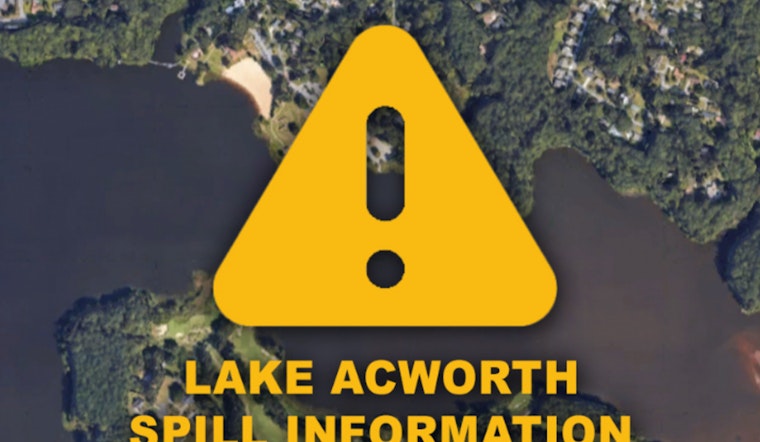
Following a not-so-unusual incident in the suburbs of Atlanta, the idyllic waters of Lake Acworth have become the subject of scrutiny after a sewage mishap prompted local officials to close off the area around the Beach at Cauble Park. According to a report by Cobb County Communications, a troublesome blockage in a manhole—created by an unrelenting build-up of fats, oils, and grease from nearby homes and businesses—led to an overflow, with crews dispatched to the scene managing to clear the obstruction. Though these events are unnervingly commonplace, the spill still rang alarm bells amongst the officials.
In the wake of the discovery, a troubling sight unfolded as fish succumbed to the spill's aftermath in an adjacent creek, which flows into Lake Acworth. The fish kill signaled a distress that officials could not ignore. While the spill's severity might not meet Georgia's regulatory standards for a 'major' incident, officials opted for preemptive measures out of caution. Water samples were collected and are eagerly awaiting Sunday's test results to determine their purity or contamination. Meanwhile, city officials are disseminating advisories with due diligence.
The environmental disruption goes hand in hand with the stresses of recent sweltering days, Acworth's ecosystem already fevered by the summer heat impacting the lake's oxygen levels—issues further exacerbated by the spill. Citizens are urged to steer clear from the portion of the waters that skirts Acworth Beach and the whispers about the spill, which echo back to the community's doorsteps with a call for a shift in how locals dispose of their culinary remnants—particularly those substances that so easily clog and congest our waterways.
This issue isn’t isolated but part of a bigger problem with urban water systems and modern living. Officials and residents both need to work together to keep their environment healthy. While waiting for test results on Lake Acworth's access, the advice is clear: properly dispose of fats, oils, and grease to prevent such problems. Information on this is easily available for those who care about their water.





