

























































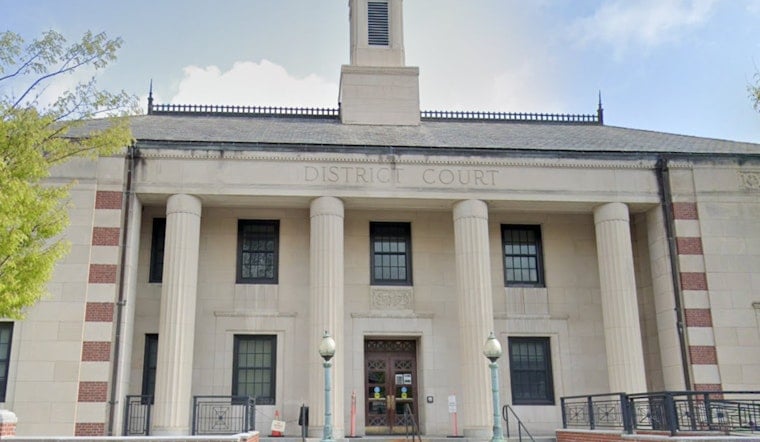
After eluding authorities for nearly two decades, Tuen Kit Lee, now 55, has been sentenced to 18 to 20 years in prison for the 2005 aggravated rape of a Quincy woman, as reported by boston.com. Dubbed the "Bad Breath Rapist" due to his victim's identification of his distinctive breath from traditional herbal medicines, Lee also received a consecutive five years of probation with stringent conditions according to Norfolk District Attorney Michael Morrissey.
Lee, who was a fugitive since his 2007 trial for kidnap and aggravated rape, was apprehended earlier this year in California the wait for justice now over as he faced a Dedham courtroom and delivered an apology stating, "I'm so sorry for everybody, I hope God forgive me for everything I did," in an emotional courtroom scene described by CBS News Boston. Defense attorney Phil Tracy cited Lee's fear of incarceration due to previous jail assaults as a factor in his flight from justice.
The victim, a waitress at the Quincy restaurant where Lee was a manager, went through a prolonged ordeal during the assault that left lasting trauma; in her impact statement, she recounts bearing a "permanent scar on my body and my soul," as relayed by CBS News Boston. The attack, which involved a knife, zip ties, and a masked assailant, was not only a physical violation but an ongoing psychological one, with the victim still experiencing chronic panic attacks and a desperate yearning for normalcy.
While prosecutors were pushing for a lengthier prison term of 28 to 30 years, the judge's final sentence has sparked intentions by the defense to appeal, citing severity; however, upon completing his prison term, Lee is required to register as a sex offender and will likely be subject to GPS monitoring, details shared by WHDH News. This crime and subsequent manhunt, brought to national attention on "America's Most Wanted," has culminated in a belated, albeit significant, closure for a case that stretched the patience and resolve of Massachusetts law enforcement and the community alike.





