

























































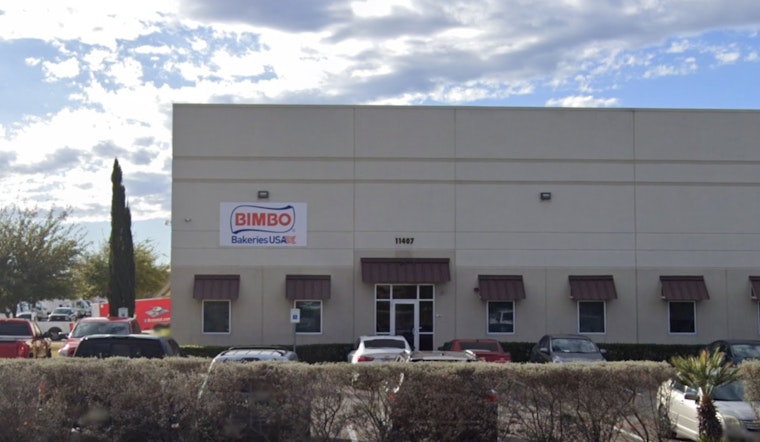
Bimbo Bakeries USA, the American division of the Mexico-based Grupo Bimbo — self-proclaimed as the largest bakery company globally — has announced the closure of its San Antonio bakery along with a connected distribution center, leading to the layoff of 138 employees. This latest development is set to take place this fall. The well-known Bimbo brands including Sara Lee, Tia Rosa, and Entenmann’s among others, are facing a shakeup as two additional facilities in New York are also slated for closure, affecting another 131 workers.
The Texas Workforce Commission received notification on a Friday from the company regarding the impending layoffs, with the effective date marked as Oct. 5. In a statement obtained by San Antonio Report, Bimbo Bakeries USA explained, "After careful analysis and consideration, we have made the difficult decision to close the San Antonio, TX bakery this fall." The company plans to shift production to other factories in its network that can better handle its anticipated growth.
Facing the need to optimize operations amid shifting consumption patterns, the closures are not the bakery giant's first this year. Earlier sites were shut down in locations across Nebraska, New Mexico, and Quebec, symptomatic of Bimbo’s broader North American restructuring efforts. In February, Daniel Servitje, then the company's CEO, touched on the industry's challenges, attributing them to consumer pressure. Servitje who multiplied Grupo Bimbo by eight since 1997, transitioned to the role of executive chairman in April.
The company's reputation for ethical conduct was highlighted when Time magazine included Bimbo in its "world's best company" list last year. However, not all news has been positive for the bakery conglomerate. This past summer, the U.S. Food and Drug Administration warned Bimbo regarding misleading labels that either understated or overstated the presence of allergens in their products — an issue stemming from inspections the previous year. On the legal front, Bimbo faced litigation in 2022 when its bakery distributor drivers, alleging misclassification as independent contractors, claimed back pay was due. These lawsuits highlighted ongoing disputes over labor classifications within the company's distribution channels.
As it stands, the company projects a commitment to its employees, asserting the provision of "resources and support to ease their transitions." Nonetheless, this series of operational consolidations indicates not just a response to the immediate financial landscape, but a broader strategic pivot within one of the food industry’s leading players, a maneuver that significantly impacts both its workforce and the communities that have long-supported these local facilities.





