

























































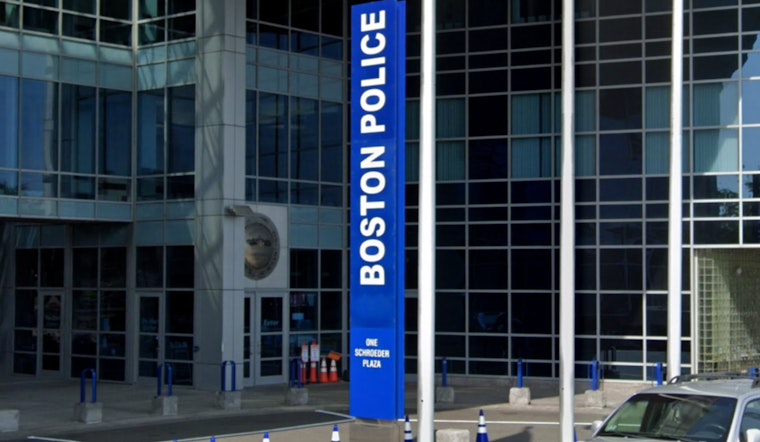
A jury cleared four Boston police officers on Monday of liability in the overdose death of Shayne Stilphen, a 28-year-old man who died in custody at the BPD District 4 station, which is situated near Massachusetts Avenue and Melnea Cass Boulevard—areas known for the city's opioid crisis. According to court records and as reported by Boston.com, the jury found no proof of wanton and reckless conduct or deliberate indifference to Stilphen’s medical needs by the officers involved.
The complaint, filed in June 2022, had alleged that the officers Ismael Almeida, Paul Michael Bertocchi, Catia Freire, and Brian Picarello failed to provide necessary medical care that could have prevented Stilphen’s death. On the night of his passing, Stilphen, who had been brought in for breaking into a car, showed signs of medical distress that were ignored, the complaint argued. However, the defense maintained that the officers did everything they could to save Stilphen’s life, which included administering Narcan and performing CPR, as reported by The Boston Globe, citing the officers' lawyer, Randall Maas.
Surveillance footage indicated that Stilphen used drugs, specifically fentanyl, for approximately two hours in his cell, without interference from law enforcement. Despite officers walking by Stilphen’s cell multiple times, no immediate action was taken until it was too late to prevent the overdose. At the center of the argument was whether the officers had been neglectfully indifferent to Stilphen's urgent health issues, considering the context of the opioid crisis prevalent in the area where he had been arrested.
Drawing a grim picture of the night, the lawsuit detailed the officers' alleged inactions while Stilphen, incapable of standing during booking, ultimately succumbed to the drugs he had ingested. Descriptions of the surveillance footage and officers’ conduct came from statements in the lawsuit, observing how Stilphen's cell was checked every 15 minutes and was under video surveillance. "Shayne had displayed obvious signs of urgent medical distress for hours, and any reasonable person would have understood that he required immediate medical attention," the complaint said. Despite these claims, the jury sided with the defense's position that the officers were not negligent in their duty of care, as noted by Boston.com.
In a social context far beyond the courtroom, the ACLU of Massachusetts has described Massachusetts' overdose epidemic as a public health crisis that requires public health solutions. "Anyone who hears Shayne’s story will understand that Massachusetts needs to treat the overdose epidemic for what it is: a public health crisis that requires public health solutions, not policing," Jessie Rossman, legal director of the ACLU of Massachusetts, told Boston.com. This case has highlighted, through personal tragedy, the intersecting issues of opioid addiction, treatment, and the roles played by those entrusted with public safety.



