

























































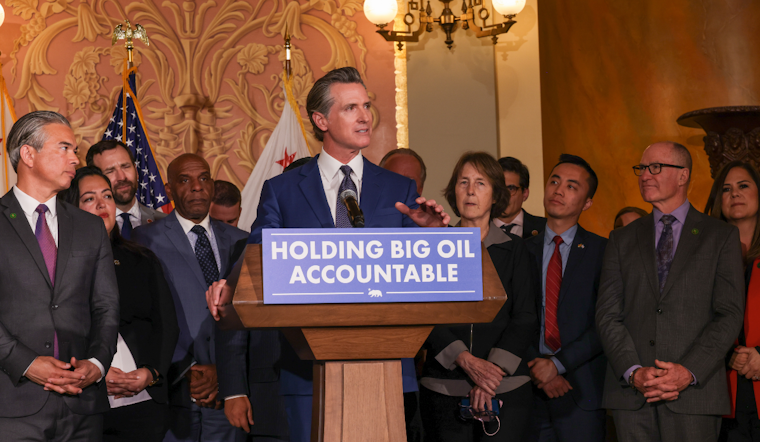
California Governor Gavin Newsom has unveiled an initiative aimed at curbing the excessive profits reaped by Big Oil during fuel price spikes, a move that could translate into significant savings for drivers in the Golden State. Drawing attention to the common practice of refineries not replenishing their reserves during maintenance periods, which has led to price surges at the pump, Newsom's proposal would mandate these refiners maintain minimum fuel inventories in an attempt to stabilize the market and shield consumers from erratic pricing.
According to information released by the Governor's office, California has experienced several instances where oil refiners have maintained less than 15 days of gas reserve, exacerbating price spikes. The proposal, if it had been law in 2023, could have saved Californians around $650 million in fuel expenses, “Price spikes at the pump are profit spikes for Big Oil. Refiners should be required to plan ahead and backfill supplies to keep prices stable, instead of playing games to earn even more profits," Newsom stated, according to his office.
This legislative proposal would grant the California Energy Commission (CEC) the authority to enforce the requirement that petroleum refiners have adequate resupply strategies to counterbalance production shortfalls due to maintenance. It also prescribes punitive measures for those who shirk these guidelines. Following the escalation of gas prices in 2022, responsive measures saw the birth of new accountability tools which curbed price spikes, creating a state of affairs where Californians forked out $728 million less over the summer compared to the year prior.
"The data is clear: oil refiners have been racking up profits by planning maintenance that reduces supply during our busy driving seasons. The Governor's proposal gives us new tools to require refiners to plan responsibly and prevent price gouging during maintenance," as Tai Milder said, he serves as the Director of the Division of Petroleum Market Oversight for the CEC. Beyond domestic measures, other nations have embraced analogous approaches to ensure fuel stability. Japan and the European Union have long-standing policies for maintaining oil reserves, while Australia has recently implemented its Fuel Security Act which demands refiners maintain specific minimum fuel stockholding levels.
In a broader context, these steps by California represent a growing trend of jurisdictions internationally recognizing the ripple effects of fuel supply volatility and stepping in to legislate safeguards for their citizens. By mandating stockpile standards similar to measures seen abroad, California positions itself as yet another proponent of assertive energy policy, aimed at defanging the aggressive profit maneuvers of an industry often seen as prioritizing margins over market stability.





