

























































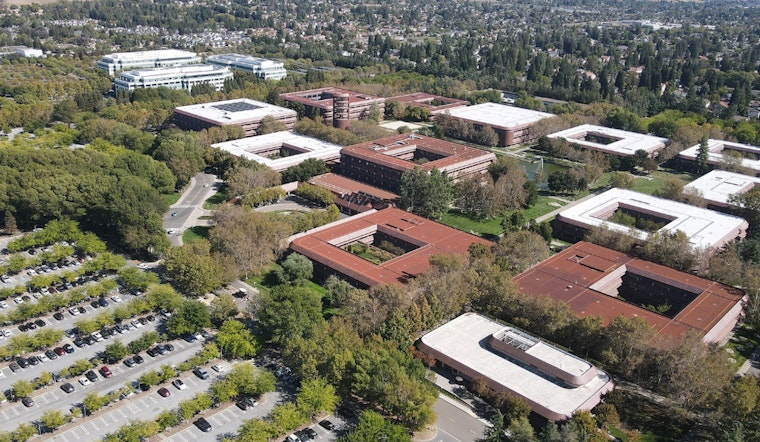
In a significant shift for the energy industry landscape, Chevron has announced plans to relocate its headquarters from San Ramon, California, to Houston, Texas. This move positions the oil giant in closer proximity to its industry counterparts and significantly boosts Houston's status as the energy capital. As reported by the Houston Chronicle, the company cites a "business-friendly environment" and the appeal of a "more affordable cost of living" as key factors behind its decision. Furthermore, Chevron has pointed to Texas's advantageous business climate and regulatory framework as conducive to its operations.
As per estimates from real estate firm Redfin, as highlighted by Houston Chronicle, the median home price differential between Chevron's previous California base and its new Texas location is stark, with a median home price in San Ramon recorded at $1.6 million in June, contrasting with Houston's $349,000. The economic implications of the move extend beyond mere real estate; an influx of high-income earners could increase local spending on housing, goods, and services. The transition, which aims to conclude over the next five years, reflects both a strategic reconfiguration of Chevron's operational presence and a broader trend of corporations shifting away from California.
Concurrently with Chevron's headquarters announcement, the energy sector in Houston appears to be a magnet for new talent and job opportunities. The Texas Construction Career Pathways pre-apprenticeship program is an initiative that offers individuals like Afdavuddin Ashran, an immigrant from Afghanistan, and others the chance to integrate into the workforce without incurring debt for education. Instead, participants, such as program graduate Johnny Gonzalez IV, herald the program as a viable alternative to traditional college education, opting for a practical, earn-as-you-learn approach. According to an interview by ABC13, Craig Rhodes, Senior Vice President of Economic Development at the Greater Houston Partnership, underscored the importance of energy transition, aerospace, and life sciences as ongoing and future job markets.
While these relocations are happening, job growth has somewhat tempered compared to previous years’ numbers. Despite this trend, Chevron's move might not only signify Houston's allure for big oil but also indicates an evolving economic narrative — one where emerging sectors are defining the new normal pace of job additions in the region. Chevron’s decision leaves California with 56 Fortune 500 company headquarters, just a hair's breadth ahead of Texas's 53, as cited by John Boyd of Boyd Co., reflecting the heated competition between the two states. The full impact of these shifts, especially on employee dynamics and the local economy, remains to be seen as corporate restructurings and market adaptations continue to unfold.


