

























































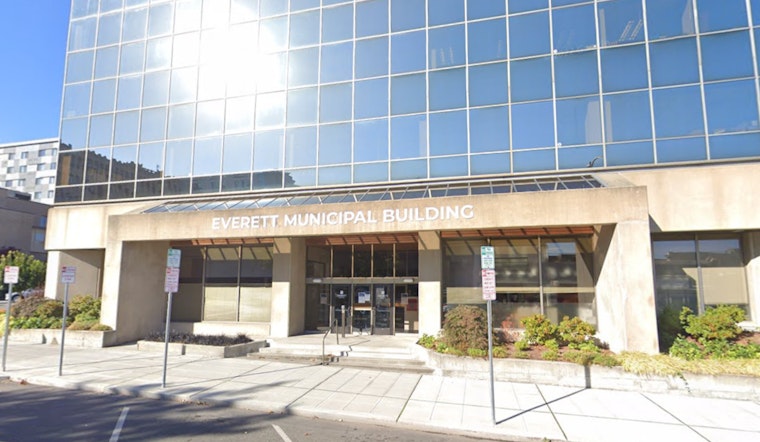
The voters of Everett have voiced their opposition to Proposition 1, with initial ballot counts from Snohomish County Elections showing that 59.75% have rejected the measure as of Tuesday, August 6. This proposition was aimed at increasing property taxes to fill a budget shortfall facing the city.
Mayor Cassie Franklin expressed her disappointment, stating, "I’m sad to see Everett voters deciding against Proposition 1, a sustainable funding option, as this will impact our community in negative ways." She acknowledged the decision of the voters, adding, "I respect the voice of the people and in the coming months, we will work together on the likely painful decisions necessary to cut $12.6 million from the 2025 budget." Her statement suggests a grim outlook for city finances, with the need to find ways to reconcile the budget gap without the extra revenue from the property tax increase.
The shortfall places the city in a precarious position as it looks ahead to balancing its 2025 budget. Significant cuts are anticipated, and while specific reductions have not yet been outlined, all city departments are expected to be affected. The administration is urging community members to participate and share their budget priorities during this challenging time.
Citizens can contribute their thoughts on what the city should focus on and where cuts should be made through several channels. Written comments can be submitted via email to [email protected] or through regular mail sent to the city offices at 2930 Wetmore Ave., Suite 10-A Everett, WA 98201. Public comments at City Council meetings are an option, with weekly Wednesday sessions at 6:30 p.m. held on the third floor of the Everett Police Department North Precinct at 3002 Wetmore Ave. Remote participation is facilitated through advanced sign-ups for a Zoom link. Further details on these processes and the budget challenges facing Everett can be found on the city's website, everettwa.gov/budget.
The context of Everett's financial issues, like many other cities in Washington, stems from the ongoing battle with structural deficits. The city has been facing this for over 20 years due in part, to a 1% cap on property tax levy increases which fails to keep pace with inflation and the rising cost of community services. Everett's projected deficit space hits $12.6 million for 2025, and while this tax proposition was intended as a corrective measure, the city must now navigate an uncertain fiscal future without it.





