

























































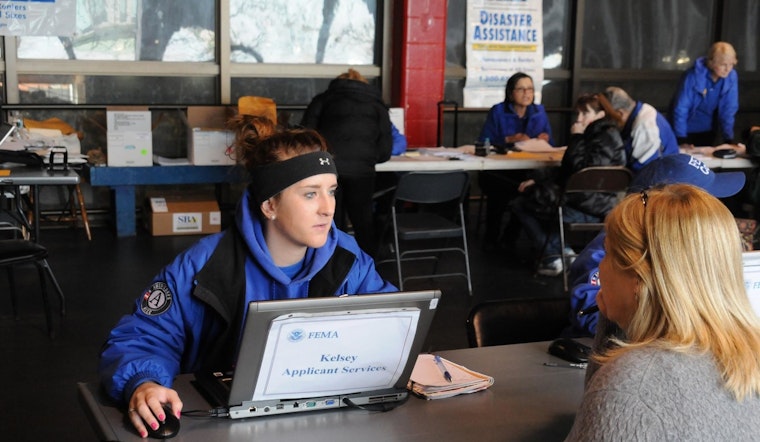
For thousands of Texans grappling with the fallout of Hurricane Beryl, federal assistance just became more accessible. Governor Greg Abbott has confirmed that the federal government's Major Disaster Declaration for the storm has been expanded to include five more counties for FEMA’s Individual Assistance program. This expansion was announced in a recent press release from the Governor's office, offering a lifeline to more communities in dire need of aid.
In the wake of the hurricane's destruction, qualifying Texans living in the counties of Austin, Bowie, Shelby, Trinity, and Waller can now apply for FEMA's assistance, which seeks to alleviate the financial burden from temporary housing, emergency home repairs, medical expenses, and other disaster-related costs. "This approval to include five additional counties for individual assistance is a critical step forward to ensure Texans can recover and rebuild from Hurricane Beryl," stated Governor Abbott in the press release. Texans in these areas previously left to navigate the aftermath alone can now find solace in the promise of aid, given lesser heralded regions are not omitted from such critical support.
It's not just the five newly added counties that are eligible; residents in 22 counties across the state can now seek FEMA assistance. The governor's office underlined this in the press release, stating, "Qualifying Texans in the following counties are eligible for FEMA’s Individual Assistance program: Austin, Bowie, Brazoria, Chambers, Fort Bend, Galveston, Harris, Jackson, Jasper, Jefferson, Liberty, Matagorda, Montgomery, Nacogdoches, Orange, Polk, San Jacinto, Shelby, Trinity, Walker, Waller, and Wharton." The assistance process includes applying online at disasterassistance.gov or by contacting FEMA via their helpline at 800-621-3362.
The pattern of aid and the state's response have been a testament to Texas' resilience and the concerted efforts by local, state, and federal agencies. The timeline stretches back to early July when state officials first urged vigilance regarding the then-impending hurricane. Subsequent actions ranged from disaster declarations to updates on response efforts and coordination to elevate severe weather response practices. Texans who've seen their way of life upended have been avidly following these updates, hoping for a swift and equitable response to their plight. Through this structured and consistent approach, the progression from preparedness to recovery reveals an unfolding narrative of endurance and community.
Additional requests for federal assistance are stipulated by ongoing damage assessments, as Texas remains in a state of recovery. The state government assures in ongoing communications that all available resources will be directed to the affected communities. Meanwhile, residents take stock of the damage, line up for support, and slowly rebuild, acknowledging the extended road to normalcy ahead, a journey now slightly less daunting with the welcome news of expanded federal assistance.





