

























































A Fall River man, identified as 62-year-old Antonio Borges, has been convicted for carrying out a commercial grease hood cleaning scam involving local restaurants. Borges, the former owner of Borges Cleaning Pro, carried out uncertified cleaning services, as affirmed by the office of Bristol County District Attorney Thomas M. Quinn III. The scam operated in the Southeast Massachusetts area, hitting restaurants hard and fast with deception and potential danger.
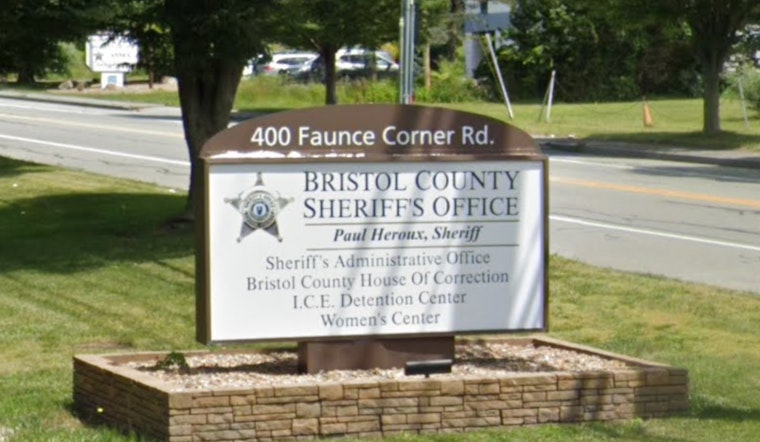
Borges, whose license was suspended and then permanently revoked, was sentenced to serve 90 days in jail, with a conditional year-long suspended sentence that stands to be imposed should he succumb to re-arrest over the next two years. The sentence was reported by Boston.com. Restaurants scattered across Fall River, Westport, and New Bedford were affected by workshop stickers that were proven to be forged from certified companies, thus enabling Borges to continue operating his scam.
DA Quinn stressed the gravity of Borges’ actions, which not only defrauded the local business owners but also posed real threats to public safety. "The defendant deceived unsuspecting restaurant owners by holding himself out to be a certified grease hood cleaner when his license had been suspended," Quinn stated in comments obtained by Boston.com. Borges' fraudulent activities were a significant fire hazard that could have led to disastrous consequences, including death or injury.
Aside from the immediate physical dangers, such malpractice undermines economic stability. Quinn highlighted the wider implications of Borges' scam, saying that it had a "wide-ranging, significant impact," leading to potential business losses and damaged reputations for the victims. Restaurants rely upon the sanctity of their services, with hazards hidden behind the veneer of false certifications exposed by DA Quinn, according to WPRI.com. Borges' deceit extended far beyond the kitchens he fraudulently claimed to have purified — it stood as a testament to how the dishonesty of one can ripple through the lives of many.
The ripples of Borges’ deception extended beyond endangering eateries and their patrons; they also tarnished the reputations of legitimate businesses impersonated by Borges. This added a layer of complexity, as these businesses had to scramble to reassert their credibility and protect themselves from the collateral damage of Borges’ deceit. Legal and financial repercussions played a role in not just repairing but also combating the scams perpetrated by someone posing as a legitimate enterprise, which put many at risk.



