

























































The Healey-Driscoll administration has taken decisive action this week, awarding a substantial $3.75 million in grants to 18 grassroots organizations, all as part of the concerted effort to mitigate the opioid crisis that has disproportionately affected numerous communities throughout Massachusetts. Announced through the state's official news outlet, these initiatives are specifically targeting areas and populations that have bore the brunt of overdose deaths. This funding is carved out as the inaugural disbursement via the Mosaic Opioid Recovery Partnership—a newly minted program aimed squarely at increasing equitable distribution of funds and bolstering local endeavors that often stumble against the financial and procedural roadblocks inherent in larger, more conventional grant processes.
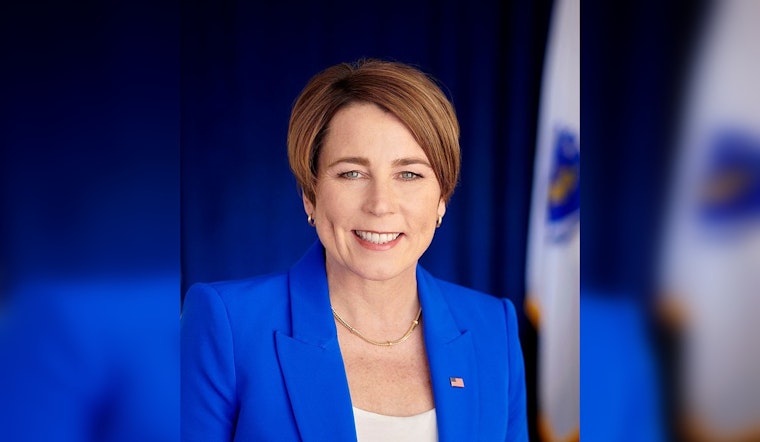
In explicating the administration's motives, Governor Maura Healey emphasized, "Too many Massachusetts families have been devastated by the impacts of substance use disorder and we have been doing everything in our power to reduce overdoses and save lives," according to an announcement from the state's official website. In line with this sentiment, the grants mark a concerted promise to ensure that front-line organizations have unfettered access to the resources necessary for instituting comprehensive prevention, recovery, and treatment programs.
These groundbreaking grants, while diverse in their monetary range from $16,000 to $150,000 annually across three years, are unified in their categorical focus, as they serve to empower organizations to amplify their influence, escalate operations, and create a resilient infrastructure to sufficiently meet the needs of their communities. As deduced from the official state announcement, the specified areas for funding include— but are not limited to— prevention, harm reduction, healthcare connections, recovery support, and aid for those wrestling with trauma, grief, and the familial repercussions of the epidemic.
"Our efforts are focused on reducing barriers to access in communities and among populations hardest hit by substance use disorder and overdose deaths," relayed Department of Public Health Commissioner Robbie Goldstein, MD, PhD, illustrating the state's recognition of and response to the urgent and disparate needs of those at ground zero of the crisis, as noted by the state's official website. This first tranche of funding, while significant in its own right, represents just the beginning of a wider initiative, with two additional rounds slated for this fiscal year; the overall design of which is said to incorporate the incisive input and insights of individuals with real-world experience and expertise in the throes of the overdose dilemma.
This fiscal framework, while pragmatic in its approach also bears the imprint of future-forward thinking, planning for a sustained $5 million annual investment allocated over the span of 18 years. This long-term strategy ensures that a sizeable portion of the opioid settlement funds in the ORRF will be channeled toward community-driven endeavors targeted at healing the multifaceted harm wrought by the opioid epidemic. Mass.gov lists the full roster of initial grantees, including the likes of Access HOPE, AIDS Project Worcester, and others, each carrying the mission onward within their respective locales.
Massachusetts anticipates a total of $1 billion in settlement funds over the coming 18 years, part of a calculated redress from legal actions against companies implicated in exacerbating the opioid crisis. These funds are designated for substance use prevention, harm reduction, and recovery services—a financial pledge that underscores the state's recognition of the crucial role municipalities and grassroots organizations play in confronting the far-reaching impact of substance abuse.



