

























































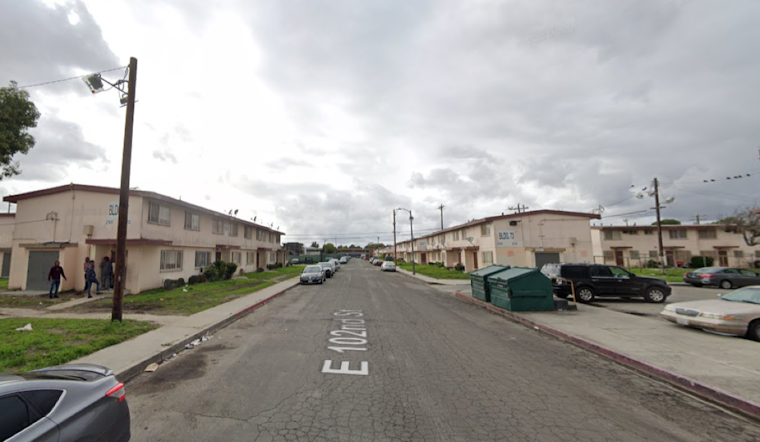
Residents of Watts in South Los Angeles are grappling with a serious public health concern—high levels of lead in their tap water. A recent study spearheaded by the Better Watts Initiative and conducted by researchers from UCLA, USC, and the University of Michigan has revealed disturbing levels of lead exceeding the Environmental Protection Agency's (EPA) action threshold of 15 parts per billion in samples drawn from the neighborhood, particularly in public housing developments, as reported by CBS News Los Angeles.
According to The Guardian, the investigation unfolded in response to longstanding resident concerns about water quality, which, for years have been dismissed or overlooked. Yirk Turner, a resident who grew up in the Jordan Downs housing development, now routinely spends part of his paycheck on bottled water to avoid the tap. "A lot of residents drink nothing but bottled water," he relayed, "So, you know, the part-time job, the side job, all the money I make, I have to budget it so I’m able to get the water."
Not only does exposure to lead pose risks for serious cognitive and developmental harm in children, but adults are also vulnerable to neurological consequences and organ damage. As discussed by CBS News Los Angeles, the study highlighted an array of "preventable health disparities" in the region, including a shocking discrepancy in average life expectancy—Watts residents’ lives are on average 14 years shorter than those in adjacent communities. The results of the study have prompted calls for immediate government-led water testing and infrastructural overhauls in Watts.
Reacting to the findings, Tim Watkins, CEO of the Watts Labor Community Action Committee emphasized, "Clean water is a basic human right... The city must answer for its neglect of Watts," as reported by CBS News Los Angeles. Danielle Hoague of UCLA singled out the local drinking and bathing water as unsafe. Her concern echoes the sentiment of a community long feeling the cumulative effects of environmental toxins, stemming from factors like aging plumbing and industrial legacies.
The Housing Authority of Los Angeles has responded to the findings by stating that no water quality complaints have been recorded over the past year and that previous studies conducted at Jordan Downs did not reveal pipework issues, as mentioned in The Guardian article. This assertion, however, stands in stark contrast with the lived experiences of Watts residents who have reported discolored tap water and relied heavily on bottled water for sustenance and daily use.





