

























































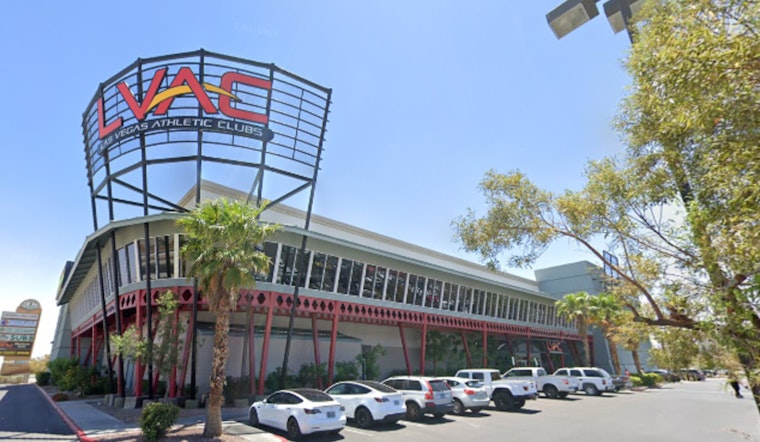
Las Vegas Athletic Club has closed the pools across all its locations following a regulation change by the Southern Nevada Health District, which now requires lifeguards at all gym pools, as company CEO Todd O. Smith informed members in an email. This comes after a customer's death at one of Las Vegas Athletic Club's pools, which involved a drowning incident that went undetected for approximately twenty minutes, as per the Health District's review of video evidence. Members like Christine Shaighan, who rely on these pools for exercise due to health restrictions, are facing disruptions in their routines.
Waivers that previously allowed certain gyms to operate pools without lifeguards were revoked after the instance of the tragic drowning and a subsequent near-drowning event earlier in the year. Despite the Las Vegas Athletic Club’s contention in a lawsuit that the victim "was surrounded by at least 15 other patrons" who apparently did not recognize the emergency, the Health District cited a failure to adhere to conditions such as pool area monitoring as a reason for the revocation, as reported by KTNV.
Amidst the back-and-forth between Las Vegas Athletic Club and the Health District over the revised lifeguard staffing plans, a spokesperson from the Health District stated, "Revised versions of LVAC’s lifeguard staffing plans were submitted on August 9, and August 15, but could not be approved due to incomplete information," as obtained by 8 News Now. Meetings are to take place this week to finalize the lifeguard staffing plan.
Members are now grappling with the fallout, with Shaighan expressing her frustration, saying in a statement obtained by 8 News Now, "I realize there’s no lifeguard on duty. I’m choosing to swim at my own risk, I’m willing to do that." Her sentiments reflect a potential inconsistency in pool safety regulations, as she noted the absence of similar mandates for private neighborhood pools or private beaches.
While the Las Vegas Athletic Club and the Health District work toward a resolution, gym members like Shaighan are left considering alternatives for maintaining their health and wellness. This pool closure debate brings to light the delicate balance between personal responsibility and mandated safety, and as Shaighan pointed out, "I think what happened is really sad, but again, we could sign waivers maybe not holding anybody responsible," as reported by 8 News Now, highlighting the complexity of risk assumption in shared recreational spaces.


