

























































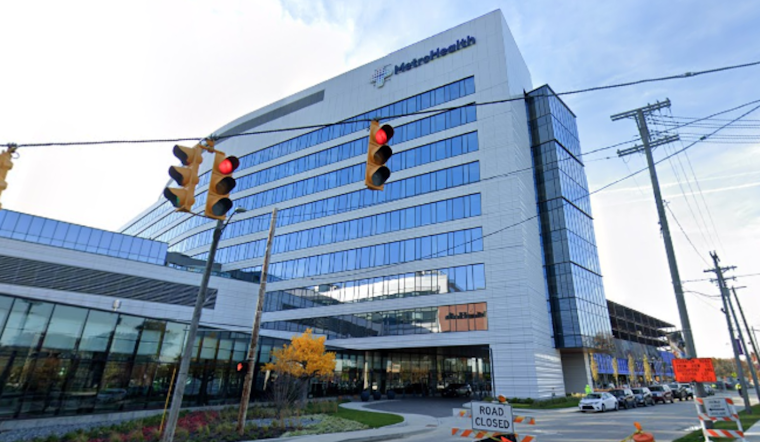
In a concerted effort to mend community relations, MetroHealth System actively seeks feedback from local leaders and staff as it propels forward with its "hospital in a park" concept. At a recent gathering with cleveland.com's journalists, the health organization emphasized this community-focused approach after facing disapproval for former CEO Airica Steed's decision to reduce public green space in the project without prior community consent. The hospital's plan, beginning with the 2022 opening of the Glick Center, now hangs in a moment of reassessment as it contemplates how to continue amidst financial setbacks and leadership upheavals. cleveland.com reported on these developments.
During the interim since Steed took medical leave in July, Alexander-Rager has stepped up to act as CEO. Despite plans for expansion being momentarily paused to reevaluate post-pandemic spatial needs, Dr. E. Harry Walker, the Board chair, stated that MetroHealth "needs to reassure the community that, despite the recent leadership upheaval, the health system remains committed to its mission of serving the community." Even though MetroHealth is expected to close out the year with positive finances, this comes on the heels of a significant drop from $18.1 million in income in 2022 to operating at a $19.7 million loss in 2023. These financial details and statements about community reassurance were shared via an article on headtopics.com.
While the original vision for the "hospital in a park" remains a critical element of MetroHealth's blueprint, involving and gaining community trust appears to take precedence. The original vision was to construct buildings, but it also carefully rebuilt bridges between itself and the people it aimed to serve.
The new narrative seeks to firmly anchor the future "hospital in a park" as stated by cleveland.com, not just in its physical dimensions but also in the shared expectations and aspirations of those it serves. John Moss, chair of the board’s finance committee, surely hopes to not only navigate back to financial stability but also cultivate a more robust and transparent dialogue with those impacted by the hospital's reach.





