

























































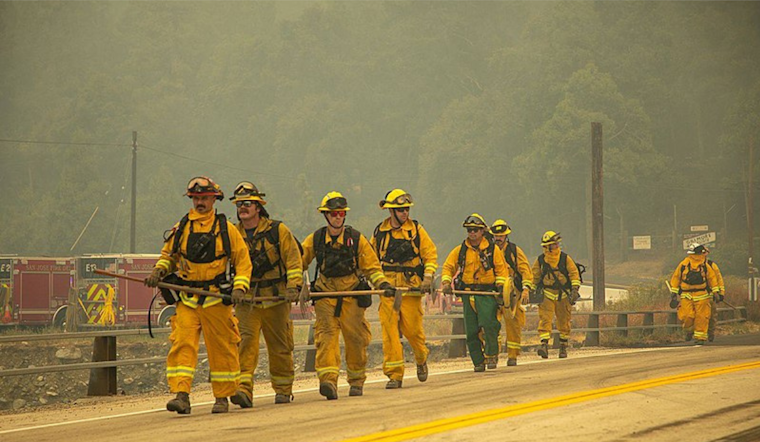
In a substantial move to bolster the safety and readiness of Michigan's firefighters, the Michigan Department of Labor and Economic Opportunity (LEO) has awarded nearly $15 million in grants, destined for the purchase of additional firefighting turnout gear. This grant, as reported by Michigan Labor and Economic Opportunity, will arm 187 fire and safety agencies with necessary protective gear, aiming to enhance the operational capacity of firefighters across the state.
However, among the beneficiaries, the Detroit Fire Department stands out by its absence, having failed to apply for this funding. According to CBS News Detroit, Executive Fire Commissioner Chuck Simms highlighted that despite securing hundreds of millions in grants over past years, the department missed out on this particular opportunity and is now "evaluating whether this grant application should've been given higher priority."
Details from the grant's announcement elucidate on the grant's specifics—the additional gear, consisting of coats, pants, and boots, is designed to allow full-time career firefighters to switch into a clean set after contending with a blaze. According to the Michigan Labor and Economic Opportunity, This initiative, underscored by LEO Director Susan Corbin, is aimed at supporting the "safety and well-being" of firefighters, emphasizing the state's commitment to those "who put their lives on the line every day to keep our communities safe."
Matthew Sahr, President of the Michigan Professional Firefighters Union, praised the grant initiative, stating, as per the Michigan Labor and Economic Opportunity, "The support from LEO and the additional turnout gear will significantly enhance the safety and operational readiness of our firefighters". He affirmed the union's role in ensuring a fair distribution process and emphasized the strides taken in providing resources for firefighters to carry out their roles with the utmost safety. This partnership and funding, as echoed by LEO, reinforces a continued recognition of the risks undertaken by Michigan’s first responders and a commitment to their protection, as their presence often spells the difference for communities caught in the clutches of a sudden inferno.





