

























































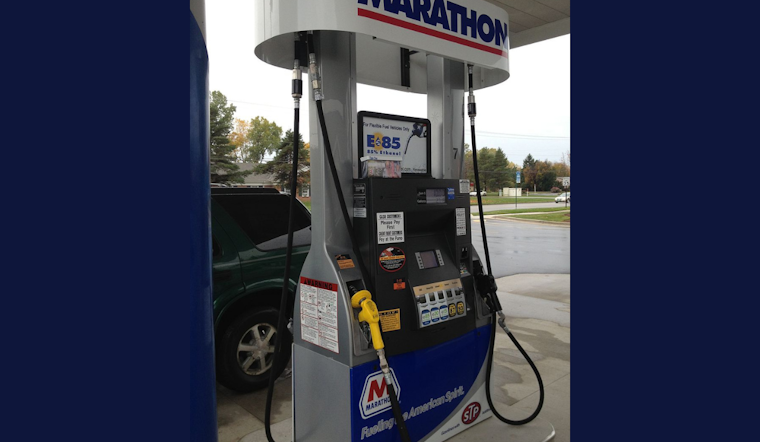
Michigan drivers are receiving a modest respite at the pump, with gas prices dropping for the third consecutive week. According to The Detroit News, the average price for a gallon of regular unleaded fuel is now $3.46, marking a 12-cent decrease from last week. This trend of lower fuel costs aligns with the seasonal winding down of summer travel and the return of students to school.
Speaking to this trend, AAA-The Auto Club Group spokesperson Adrienne Woodland noted, "Tepid gasoline demand and stable oil costs may cause gas prices to slide further," as per The Detroit News. Woodland also highlighted the potential impact of the academic year resuming, cautioning drivers to "expect more traffic on the road as school starts again, and to be on the look out for children at bus stops and in school zones." The current prices reflect a decrease not only from last week but also are 6 cents lower than last month and 42 cents below the cost during the same period in 2023, as cited by the Detroit Free Press.
Metro Detroit's average gas price slumped to $3.54 a gallon, reported by Detroit Free Press. Despite these regional price drops, the city remains among the areas with the highest average prices in the state. On the other end of the spectrum, Flint saw the lowest average prices at $3.34 per gallon, followed by Saginaw at $3.39 and Benton Harbor at $3.40.
The recent fluctuations in fuel costs have also been affected by a change in the oil market. The price per barrel of crude oil dropped slightly to $76.98, and crude oil inventories increased, as reported by The Detroit News. Meanwhile, gas demand increased, moving from 8.96 million barrels a day to 9.04 million barrels, while total domestic gasoline stocks decreased from 225.1 million barrels to 222.2 million barrels, according to the Energy Information Administration figures reported by the Detroit Free Press.





