

























































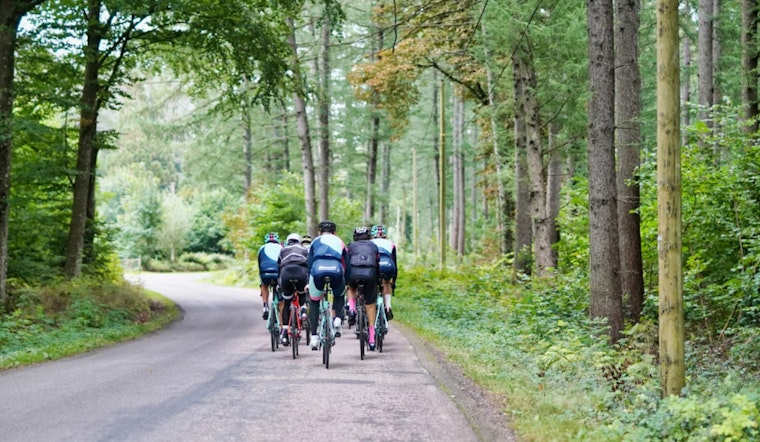
The Michigan Department of Natural Resources (DNR) has authorized the use of certain classes of electric bikes, known as e-bikes, on trails under their management, expanding where these modern cycles can roam; under the new rules which came into effect following a proposal first submitted in May, and now commencing a one-year trial period, Class 1 electric bikes have been given the green light on improved surface trails, which includes those with asphalt or crushed limestone surfaces or rail trails, as covered in a report by WXYZ.
Underscoring this policy shift Nickole Hunt, a spokesperson for the DNR articulated in an interview with ClickOnDetroit, the divisions in classifications—Class 1 e-bikes assist pedaling up to 20 mph, Class 2 are operable without pedaling also up to 20 mph and Class 3 reach speeds of 28 mph but remain prohibited; yet Class 2 access is reserved for individuals with mobility impairments who can apply for a special permit, thus promoting inclusivity while abiding by overarching safety concerns.
According to The Detroit News, the DNR envisions that all trail users will maintain appropriate etiquette, as characterized by Ron Olson, chief of the DNR's Parks and Recreation Division, who anticipates that the decision will extend outdoor enjoyment to those who require assistive technology to cycle, and also acknowledges the increase in e-bike usage, which Jason Hall from Trek Bicycle Detroit Midtown notes has been substantial since he began selling them in 2019.
The decision to adopt this policy was not a sudden leap but a measured step, preceded by consulting with bicycle advocacy and trail user groups, additionally, canvassing public opinion through a survey early this year, which unearthed a majority supporting the expansion—the department, conscious of speed concerns, drew reassurance from states like Arkansas that have allowed e-bikes for years with no notable adversity, Nicole Hunt explained to The Detroit News that the decision is rooted in expanding recreation while safeguarding the state's resources.
If the trial demonstrates no negative impacts after its conclusion, the policy will remain standing, if problems arise—they are prepared to revoke the order; this new rule requires e-bikes to have working pedals, a seat or saddle and an electric motor that is no more than 750 watts, or the equivalent of 1 horsepower, criteria which aligns with the state's commitment to granting more individuals access to its natural environments, particularly who may face obstacles due to topography or distance to destinations, as pointed out by DNR staff in a memo detailed in coverage by The Detroit News.




