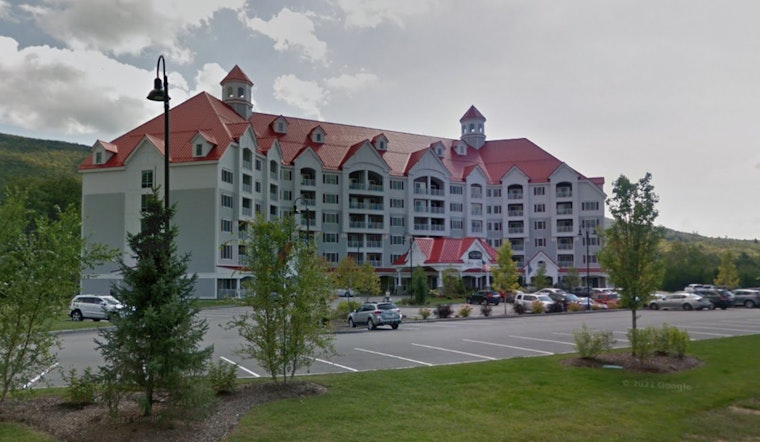
An outbreak of Legionnaires' disease has been linked to a cooling tower behind the RiverWalk Resort at Loon Mountain in downtown Lincoln, with New Hampshire health officials reporting at least five confirmed cases—all of which occurred after visitors were potentially exposed to contaminated water droplets in June and July, as Boston25News first detailed.
The cooling tower is reportedly still active, even as remediation efforts are underway to cleanse the contaminated structure; officials have warned that there may persist some risk to the public, particularly for those within a half-mile radius of the tower, this according to "Anybody who has visited the area near the contaminated cooling tower should monitor themselves for symptoms," as Dr. Benjamin Chan, the New Hampshire state epidemiologist, told CBS News Boston.
Legionnaires' disease, a type of pneumonia caused by the Legionella bacteria, doesn't typically afflict healthy individuals, but poses a greater threat to older adults, former or current smokers, and those with either a compromised immune system or specific chronic medical conditions; it was within these groups that the five individuals were diagnosed following their visits to the resort area.
Despite the ongoing concerns and pending additional test results, expected next week, the RiverWalk Resort remains open; the website makes no mention of closure or the health advisory, residents and tourists in the vicinity are advised to be vigilant of any symptoms such as fever or respiratory distress, and to seek medical attention should they arise, especially if within the crucial two-week window after exposure, "People who develop fever or other symptoms of pneumonia within 14 days after spending time in this area should talk to their healthcare provider about testing for Legionella infection," as Dr. Chan emphasized in remarks shared by both publications.
Historically, the presence of Legionella bacteria in resort facilities like hot tubs and fountains has led to previous outbreaks, underscoring the importance of consistent and thorough maintenance of water systems to prevent such occurrences—as was starkly illustrated by a tragic case at Hampton Beach in 2018, where one individual died amid 18 cases tied to a contaminated hot tub at a resort.