

























































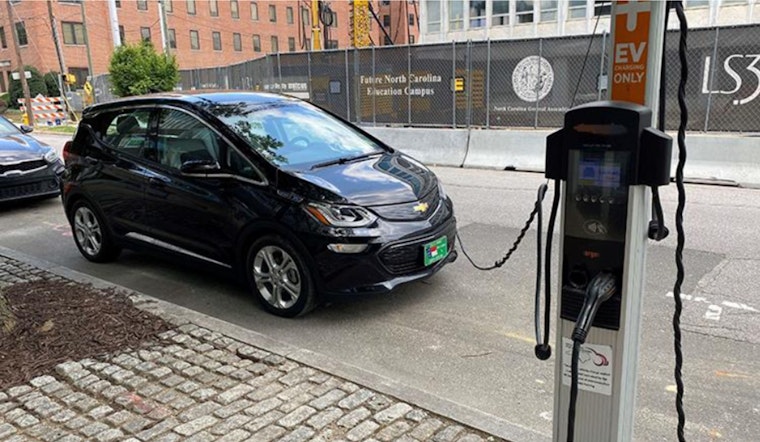
The Tar Heel State is plugging into the future with a $1 million boost from the feds - a grant aimed at powering up the electric vehicle infrastructure across North Carolina community colleges. This cash injection, stemming from the U.S. Department of Transportation, is part of a grander scheme under the Bipartisan Infrastructure Law to pepper the nation with enough EV charging stations to make electric vehicle ownership not just feasible but downright convenient, even beyond major city limits.
According to an announcement by the N.C. Department of Transportation, 20 new Level 2 charging stations - the kind that turn an empty battery to full in anywhere from 4 hours to 8 hours - will be rolled out across 10 community colleges; part of an agenda to ensure electric vehicles can juice up in spots folks frequent daily while also dispatching the anxiety of range that haunts potential buyers. North Carolina's Transportation Secretary Joey Hopkins championed the grant saying, "This grant not only improves access to convenient and reliable EV charging stations so more people will feel comfortable owning an electric vehicle," continuing to underline that it takes a significant leap to guarantee "our workforce has the education, knowledge and skills needed to sustain the clean energy transition."
Besides adding charging stations, these community colleges are also in line for another treat, or as some might dub it, a major educational overhaul. There's to be a rollout of special courses, a curriculum that's all about clean vehicles: how to make them, mend them and get the most out of the electrifying charging gear they hook up to. This decision addresses current requirements and anticipates a future where clean energy is a fundamental component of the transportation system.




