

























































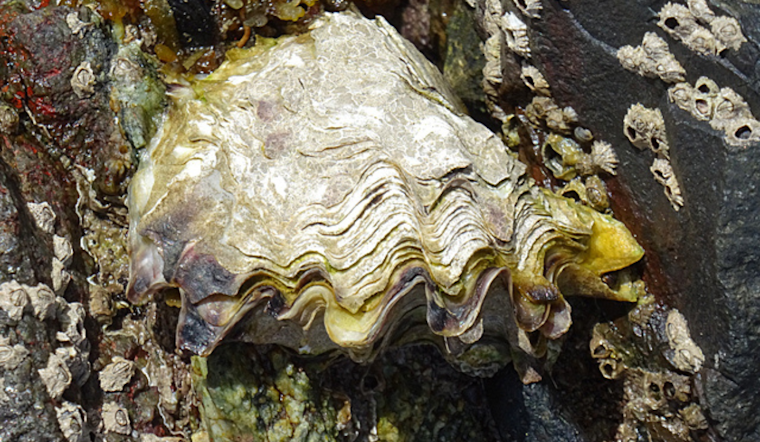
Warm water in San Diego Bay poses a dire threat to Pacific oysters, with new research from Scripps Institution of Oceanography at UC San Diego uncovering how a deadly herpes virus thrives due to rising temperatures. The ostreid herpesvirus, commonly known as OsHV-1, wreaks havoc on juvenile Pacific oysters without affecting humans. This virus was the culprit behind mass die-offs in San Diego oyster farms, first documented in 2018, and researchers have pinpointed that the virus runs rampant at temperatures above 15°C (59°F), causing significant mortality when water heats up to 18°C (64°F) and beyond.
It was discovered that the San Diego microvariant of this herpes virus increases its destructive power rapidly, particularly as water temperatures linger between 21-24°C (70-75°F). Scripps Oceanography scientists conducted a series of controlled lab-based experiments with Pacific oysters at varying temperatures to confirm these findings. As reported by Scripps Oceanography, Emily Kunselman, the study's lead author, explained, "We found that as the temperature increases, virulence also increases."
While the OsHV-1 virus is a global threat to the aquaculture industry, San Diego Bay's fight with its microvariant has been particularly troublesome. During scorching conditions in recent years, the local variant surged, with a significant outbreak causing 99% mortality rates in 2018. This issue underlines the vulnerability of aquaculture to climatic shifts, especially in a bay where summer waters can surpass 22°C (71.6°F). Crucially, the team's research now supports current oyster farming guidelines by the U.S. Department of Fish and Wildlife, which set the recommended temperature ceiling at 20°C (68°F) for farmed Pacific oysters.
A critical aspect of the study highlighted by Scripps Oceanography was the role of microbial communities in oyster health during virus exposure. Microbial sequencing uncovered that these communities suffer diversity loss as oysters weaken and succumb to infection. Surprisingly, treatment with antibiotics didn't seem to alter the course of mortality, suggesting that heightened temperatures are the predominant threat, effectively accelerating the rate at which oysters die from the virus.
Despite the devastation in farmed oysters, wild populations in San Diego Bay seem strangely resilient, showing no signs of infection. This phenomenon underscores the potential for unique local adaptations or environmental factors shielding these populations. The bay's current regulations are notably stringent, allowing commercial harvest only when temperatures stay below the 20°C (68°F) mark. There's also a focus on proactive measures such as weekly monitoring and pulling infected stocks immediately, with sentinel oysters in place for early detection of potential disease outbreaks.
Further research is urged to unravel the mysteries of OsHV-1 fully. Investigating alternative oyster species for aquaculture and the broader implications of the virus on bay ecology remain on the agenda as researchers like Kunselman seek to bolster aquaculture without compromising the bay's ecosystem. According to Scripps Oceanography, this issue isn't just about oyster farming but is also about making informed decisions for the future of food security and sustainable ocean practices.




