

























































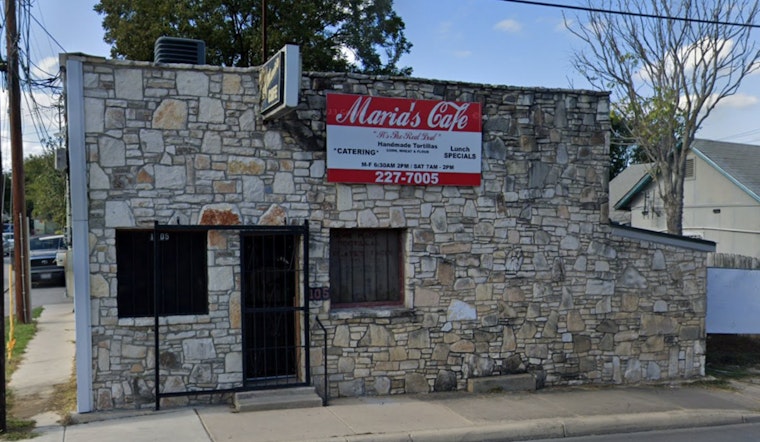
San Antonio – As the sun blazes in the Texas sky, residents of San Antonio's heat islands struggle with temperatures that soar above the city's average. In places like Maria's Cafe on Nogalitos Street, fans and makeshift AC units battle to provide some respite from the suffocating heat. Owned by Maria Beza, the diner has become a microcosm of a city grappling with rising temperatures and the need for sustainable cooling solutions. The cafe, in a neighborhood at least 8°F hotter than other areas, underscores the enhanced heat experienced by certain vulnerable communities, according to the San Antonio Report.
At the heart of the issue are communities of color and low-income areas, which disproportionately suffer from historic inequalities that leave them exposed to extreme heat. From a lack of tree cover to an abundance of heat-absorbing concrete, these neighborhoods are on the frontline of climate change's daily impacts. Speaking at a workshop on June 26, 2024, Kate Jaceldo, San Antonio's climate adaptation manager, highlighted the historical factors that exacerbate these hardships for vulnerable groups. "We know that these low-income communities of color face the impact the hardest because of historical things that have happened that leaves these communities less prepared," Jaceldo remarked, as per the San Antonio Report.
As recognized by global climate scientists, the threat of rising temperatures extends well beyond discomfort – it poses severe health risks, from respiratory issues to heat stroke. Unfortunately, this looming crisis grows more daunting; a Guardian survey published in May indicated that global temperatures are expected to rise by at least 4.5 degrees above preindustrial levels this century, a leap that could trigger devastating consequences. Those who suffer most are frequently seniors and individuals with health conditions, now facing the choice between enduring the heat or enduring higher electricity bills to stay cool at home, as voiced during city-hosted meetings attended by community members.
Over at the South San neighborhood, some take inventive yet inadequate steps like dividing their living spaces with curtains and occupying only the parts that can be cooled by small window air-conditioning units. Limited by the cumbersome need to travel by multiple bus stops to reach a cooling center or face steep Uber fees, San Antonio's vulnerable populations are left to grasp at short-term solutions. One resident, Maria Cristina Medina, showed a CPS Energy bill that leaped to $260 in July compared to her usual amount under $70, quantifying the economic strain induced by the heat. However, efforts such as Fuerza Unida's initiative to distribute digital thermometers and collect heat data in partnership with the city are starting to track these indoor climates, potential tools to plan more effective intervention strategies, as mentioned by the San Antonio Report.
Resource fairs, such as the July 16 Cool Neighborhood meeting, have sought to equip residents with knowledge and aid to alleviate the heat's impact. At these gatherings, organizations like Metro Health and CPS Energy come together to assist citizens in preparing their homes against the climbing temperatures. Jessica Payan, a West Side resident, became an advocate for such programs after benefiting from adjustments made to her home, including the installation of solar panels and mini split AC units. With temperatures bound to rise, Payan trusts that incremental changes made today, such as additional insulation she hopes to add through the Casa Verde program, will safeguard her household's future comfort and affordability.





