

























































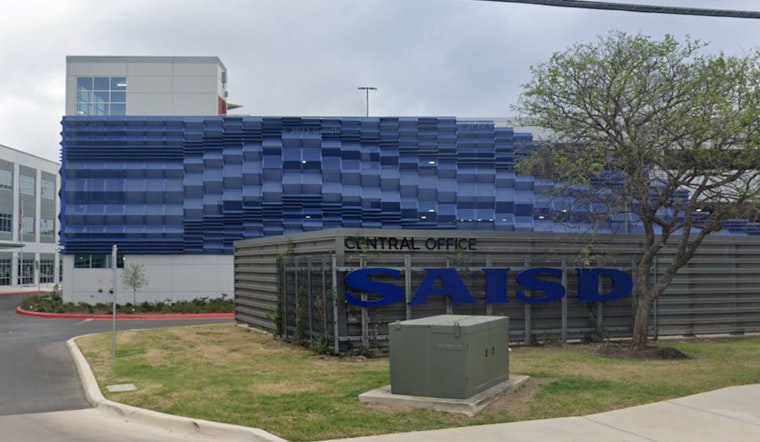
Shifts in standardized testing approaches are coming to San Antonio Independent School District (SAISD) as administrators aim to address discrepancies in student performance predictions. Jaime Aquino, superintendent of SAISD, recently announced during a school board workshop that the district would be replacing the MAP Growth test with a State of Texas Assessments of Academic Readiness (STAAR) interim assessment, explaining that the MAP test this year did not align with the lower STAAR results observed, as reported by the San Antonio Report.
This decision comes even as the MAP test, developed by the nonprofit NWEA, has enjoyed increased popularity among Texas schools—a growth from 600 to over 725 "education partners" in the last year, a statistic highlighted by NWEA spokesperson Simona Beattie, nevertheless, the district's move signals potential unease with the test's efficacy in assessing student readiness for state standards. Simona Beattie also mentioned an updated linking study for STAAR is on the horizon, but SAISD has not indicated if this will alter their new direction, officials also raised concerns over the MAP's inclusion of non-traditional question formats that they feel may have negatively impacted student performance.
SAISD's skepticism isn't isolated, as other districts like Alamo Heights ISD have also noticed irregularities between their MAP scores and STAAR results, with Assistant Superintendent Jimmie Walker expressing distrust in artificial intelligence grading systems which, for the first time this year, scored Language Arts sections on the STAAR test. Despite this, Alamo Heights ISD intends to continue using MAP to track student growth over time, believing in its reliability and validity outside of a single end-of-year assessment point, Walker told the San Antonio Report.
On the flip side, New Frontiers Public Schools, a smaller charter network in San Antonio, reported that the MAP test had been a better predictor of STAAR scores and a valuable tool for targeted intervention acknowledging however, that test fatigue might contribute to the discrepancies by the year's end with Deputy Superintendent Jeffrey Flores describing a scenario where students face a multitude of tests leading to exhaustion Flores told the San Antonio Report. In contrast to SAISD, New Frontiers sees the adaptive nature of MAP as a strength, aiding in personalizing education efforts.
Confronting the issue of overtesting, SAISD Trustee Sarah Sorensen expressed concerns about the burdens placed on students who tackle both MAP and STAAR interim assessments. The district is now evaluating strategic ways to proceed, especially for dual-language learners who face double the testing load, with further plans to be developed in consultation with teachers and advisors as the academic year unfolds, as detailed by Superintendent Aquino.



