

























































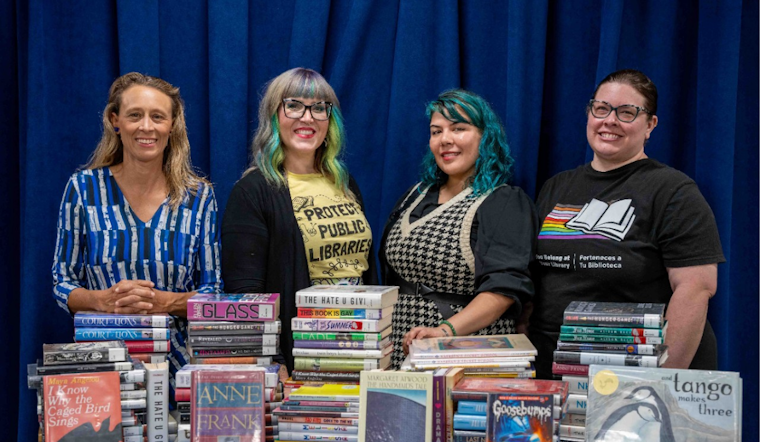
In an age where the censorship of books has seen a concerning upsurge, Supervisor Terra Lawson-Remer of San Diego County takes a steadfast stance to ensure that the freedom to read remains unthreatened. This policy initiative serves as a bulwark safeguarding San Diego residents against the waves of bans on literature seen across the nation. According to San Diego County news, the supervisor's efforts are a direct response to actions in other states where books, especially those reflecting LGBTQ+ and BIPOC experiences, find themselves increasingly challenged or removed.
Last year, the ALA Office for Intellectual Freedom reported an unnerving spike in book challenges and 4,240 unique titles, with 47% involving LGBTQIA+ and BIPOC narratives. This rise in censorship attempts showcases a trend wherein communities, rich with diverse voices, are witnessing attempts to narrow the spectrum of stories that course through their bibliotheca veins. With San Diego County fighting this current, a display of contested works was exhibited during a press conference, with Supervisor Lawson-Remer emphasizing the significance of access to these materials, "A significant portion of the bans happening across our country are targeting books representing the voices and lived experiences of LGBTQ+ and BIPOC people. With this policy, we're protecting your right to read and fighting back against racism and bigotry", she said, as per San Diego County news.
The list of "challenged and banned" works features prominent titles such as "The Handmaid's Tale" and "I Know Why the Caged Bird Sings," the latter hitting particularly close to the bone as the city's own Rancho Peñasquitos library faced protestors trying to censor LGBTQ+ books. Those at the frontline of ensuring equitable access to literature, like Adult Services Librarian Leslie Ann Masland, uphold libraries as bastions of knowledge and open dialogue. She stipulated the importance of maintaining an inclusive collection, saying, as cited by San Diego County news, "Equal access to information and books that raise critical issues that often times uplift the voices of those who are often left out deserves to be protected as a constitutional right for all residents in San Diego County."





