

























































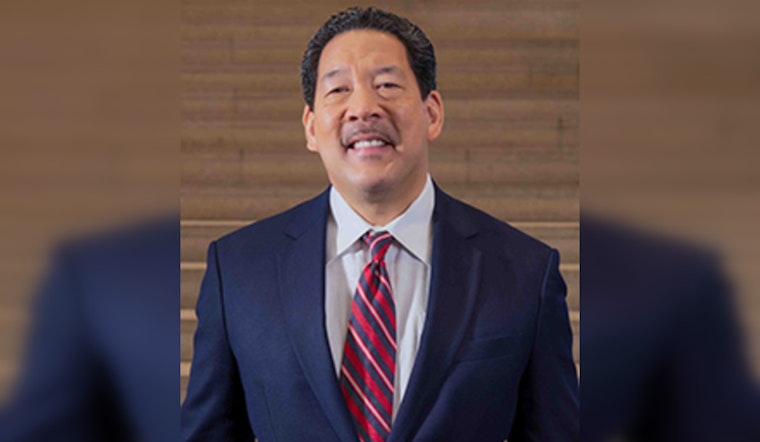
In a decisive move to bolster Seattle’s fight against the opioid epidemic, Mayor Bruce Harrell has earmarked $2.6 million into expanding substance use disorder detox and treatment programs, specifically increasing bed capacity at Beacon Hill’s Valley Cities Recovery Place Seattle. This pilot program, fueled by opioid settlement funds, will add about 13 detox and inpatient treatment beds to assist those grappling with addiction.
A promising outcome of these efforts is the apparent reduction in opioid fatalities. "Preliminary data shows 150 fewer fatal overdoses in 2024 compared to this time last year," Harrell said, according to the Mayor's Office news release. The program is set to round out the clinical needs for SUD treatment, providing around-the-clock intake capabilities and starting referrals later this year.
This new initiative is not operating in isolation. It's part of a wider executive strategy—the Mayor's Executive Order 2023-04, which calls for a public health and public safety approach to handle the city’s synthetic opioid and fentanyl crisis. As reported by the Office of the Mayor, this approach encompasses a variety of interventions, such as the Seattle Fire Department’s Health 99 post-overdose response team and the innovative pilot allowing paramedics to administer buprenorphine in the field for acute opioid withdrawal.
In the words of Valley Cities CEO Shekh Ali, "This initiative prioritizes Seattle residents by reserving five withdrawal management beds and eight residential treatment beds tailored to each individual’s clinical needs, rather than limiting duration based on insurance," as stated by the Office of the Mayor. The investment also promises to plug the system gaps by ensuring transitions from addiction to detox to treatment, and, ultimately, recovery—all this considering a report stating there were 1,339 overdose deaths in the community last year, a significant increase compared to the past.
Seattle's Human Services Department Director Tanya Kim underlined the urgency and importance of implementing these funds to address the needs of those suffering from SUD, aiming to fill the chasm between addiction and adequate support on the path to recovery. This follows on the heels of the latest financial windfalls from opioid litigation settlements, including a one-time distribution from Walmart to the tune of $1.75 million.





