

























































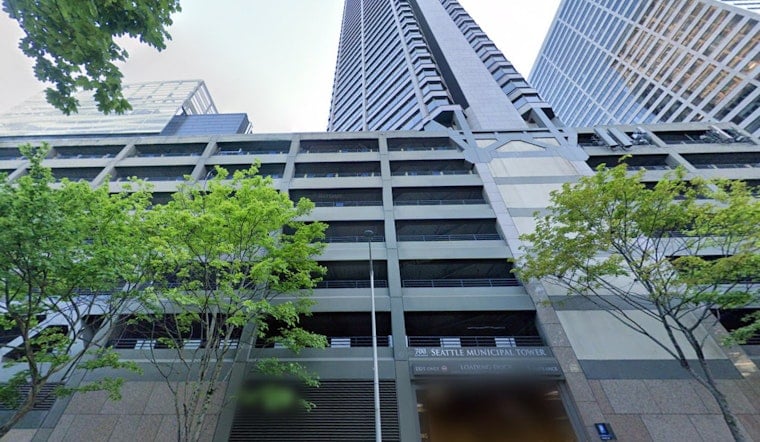
For developers and property owners in Seattle, navigating the permit process and understanding city codes just got a bit easier. The Seattle Department of Construction and Inspections (SDCI) has released its July updates with essential changes to their guidelines. Among the updates are refined instructions for obtaining multifamily or commercial construction permits, clearer site plan requirements, corrected incentive zoning payment amounts, and streamlined information regarding tree codes. The efforts aim to demystify the permitting process and make compliance more accessible for all involved parties.
The revisions encompass a myriad of facets - notably, Tip 100 was overhauled with "significantly revised text," as reported by the SDCI. Updates to Tip 103 now feature "new site plan examples that are easier to read." To address inaccuracies in developer contributions, Tip 258 received corrections on its Incentive Zoning (IZ) Payment amounts due to the recent changes in the Land Use code, these updates serve not just as mere bureaucratic shifts but as clarion call for transparent and equitable real estate development.
Particular attention has been paid to Seattle's green canopy; the city's tree codes underwent significant revisions. Tip 242A now includes "new code information" pertinent to tree requirements associated with development, while Tip 242B and Tip 242C received necessary fixes for previously broken links, re-establishing access to critical information on tree removal and the registry for SDCI-approved tree service providers. The public notice procedure for tree actions, under Tip 242D, also saw corrections to its previously dysfunctional web links. This overhaul underscores the city’s dedication to its urban forestry, ensuring that ecological considerations remain at the forefront of urban planning.
Lastly, changes to Tip 337 were implemented to "clarify demolition permit requirements for accessory dwelling units," adding layers of clarification for those looking to remodel or redevelop properties with existing accessory structures and as Seattle continues to grow, adapting its built environment to meet the demands of its population, the SDCI is tasked with managing this growth while balancing the needs of a thriving urban ecosystem.




