

























































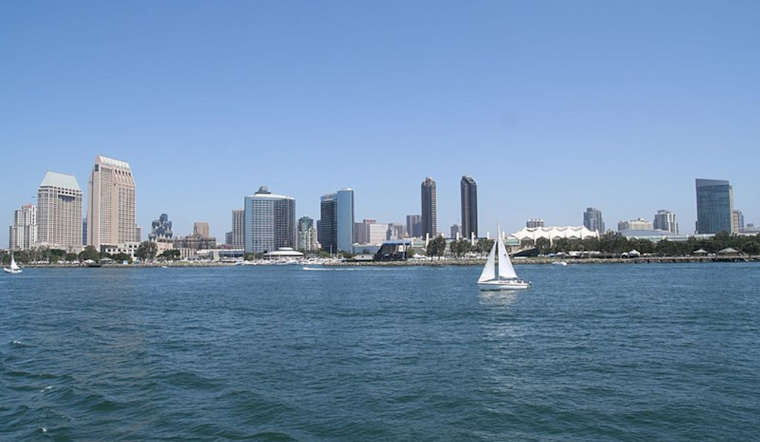
As Southern Californians continue to navigate a summer of fluctuating temperatures, the National Weather Service forecasts a period of slight cooling followed by a slow warming trend in the coming days. The slight relief from the heat near the coast will be short-lived, with coastal areas like San Diego experiencing highs in the mid to upper 70s and inland valleys reaching the 90s, according to the NWS forecast. Inland Empire mostly stays in the 90s, while Orange County fluctuates from mid 70s near the coast to around 90 further inland. The extreme temperatures will persist for the lower deserts, maintaining a sweltering 105 to 110 degrees.
The Area Forecast Discussion predicts "a gradual increase in monsoonal moisture peaking early next week", which suggests more afternoon clouds, especially over the mountainous regions. Although the monsoonal moisture is rising, chances for measurable rainfall in areas like Big Bear remain low, increasing to just 12 percent for Monday and 13 percent for Tuesday. This means that residents in Southern CA should not expect much relief from rain in the desert-like summer climate.
No major disruptions are expected in the aviation sector, with clear skies and unrestricted visibility in the mountains and deserts. Coastal low clouds, however, will likely affect visibility, dropping to 3-5 miles, especially over higher terrain where the clouds intersect. Night and morning coastal low clouds will persist, affecting both inland and coastal routes.
As for marine conditions, sailors and boaters can anticipate smooth sailing ahead, as no hazardous conditions are predicted through Thursday. This forecast is welcome news to those looking to take advantage of summer on the water. Still, despite the lack of stormy seas, Skywarn, the volunteer program that reports on hazardous weather conditions, is not being activated. However, per NWS, weather spotters are still encouraged to "report significant weather conditions."



.jpg)