

























































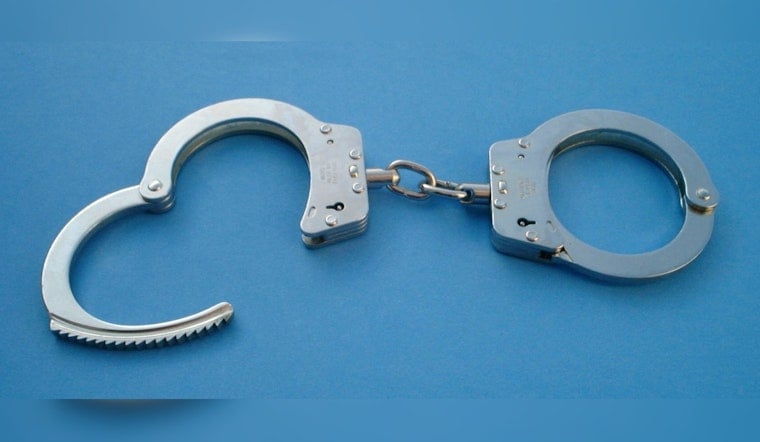
A Hungarian national was arrested upon landing at San Francisco International Airport on charges of conspiring to illegally export military-grade radio communications technology to Russian government end users, the Justice Department reported yesterday. The arrest, stemming from a complaint unsealed the same day, charges Bence Horvath, age 46, with violating the Export Control Reform Act of 2018 (ECRA), announcing officials including U.S. Attorney Matthew M. Graves and Assistant Attorney General for National Security Matthew Olsen.
According to the Justice Department's statement, Horvath allegedly orchestrated a complex multinational procurement network with connections in Spain, Serbia, Hungary, Latvia, and other countries. The network's objective was to facilitate large-scale projects for the Russian government, particularly in constructing operational radio communication systems in the Kursk region of Russia, near the Ukrainian border. The complaint details Horvath's efforts to purchase and secretly transport U.S.-origin technology through various affiliates.
"This defendant allegedly sought to skirt U.S. export controls put in place to protect our national security and to address Russia’s unprovoked invasion of Ukraine," U.S. Attorney Graves stated in the report. Special Agent in Charge Eric DeLaune of HSI underlined the importance of protecting national security by enforcing U.S. import and export laws, highlighting that Horvath's arrest was a clear rebuke to his alleged attempts to undermine these laws, as per the U.S. Attorney's Office.
The investigation into the case was spearheaded by the Homeland Security Investigation's New Orleans office, the Defense Criminal Investigative Service, and the Department of Commerce, with assistance from the Northern District of California’s U.S. Attorney’s Office. Special Agent in Charge Darrin K. Jones of the DCIS expressed that securing Department of Defense technology from foreign adversaries is critical to U.S. national security and that their efforts will persistently continue to safeguard American technological innovation.
The complaint against Horvath outlines that his actions were initially detected when he and others began discussions with a small U.S. radio distribution company about exporting military technology to Russia. Despite successfully purchasing 200 military-grade radios, the shipment was intercepted and detained by U.S. Customs and Border Protection, preventing the technology from reaching the intended Russian recipients.
As detailed by the Justice Department, the case is being prosecuted by a team of attorneys, including Christopher Tortorice and Maeghan Mikorski of the U.S. Attorney’s Office for the District of Columbia and Trial Attorney Sean Heiden of the National Security Division's Counterintelligence and Export Control Section. The operation was part of coordinated efforts by Task Force KleptoCapture and the Disruptive Technology Strike Force, both aiming to combat illicit procurement networks and prevent critical technologies from falling into the hands of authoritarian regimes and hostile nation-states.




