

























































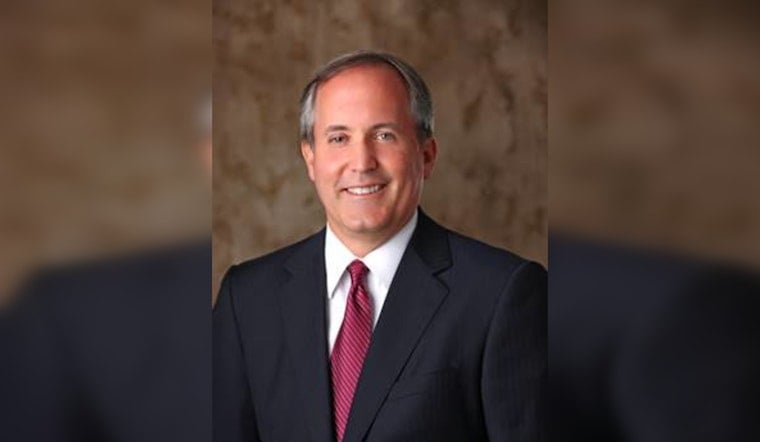
Texas Attorney General Ken Paxton has rounded up a posse of counterparties across 23 other states, filing an amicus brief to sway the Supreme Court to grant an emergency stay on a district court's injunction. The legal block in question is against an Arizona statute mandating proof of citizenship for voter registration. In a statement released by the Texas Attorney General's Office, Paxton cast the issue as a battle against unauthorized non-citizen voters, which he believes threaten the integrity of elections.
Arizona's law was halted on grounds that it contradicted the federal National Voter Registration Act, which the district court found holds sway over state-level legislation for voter registration. Casting their lot behind the Arizona provision, the assembled attorneys general argue that the district court's ruling misconstrues the NVRA and overlooks state sovereignty in election processes. As reported by the Texas AG's announcement, Paxton accuses the current administration of deliberately permitting a flood of undocumented immigrants into the country, thereby amplifying the risk of illegal voting.
In Paxton's words, "The States have a constitutional right and responsibility to ensure that only legal votes from American citizens are counted." He continued to point out, cleared by the specter of illegal immigration under the Biden-Harris administration's watch, that legislators in Texas should ramp up their efforts to secure elections - a move he deems crucial to prevent noncitizen participation in voting.
With the strewn landscape of American politics, jurisdictions concerning voter registration have become battlegrounds of competing interests and interpretations. Paxton and his cohort of attorneys general draw a line in the sand, suggesting that each undocumented presence spells a potential poll breach. They urged, "Each of those illegal aliens represents another possible opening for voter fraud, for each represents a probability—no matter how small—that they will vote illegally." As the alliance pushes its argument to the highest court, the decision could set a precedent affecting voter registration protocol across various states.



