

























































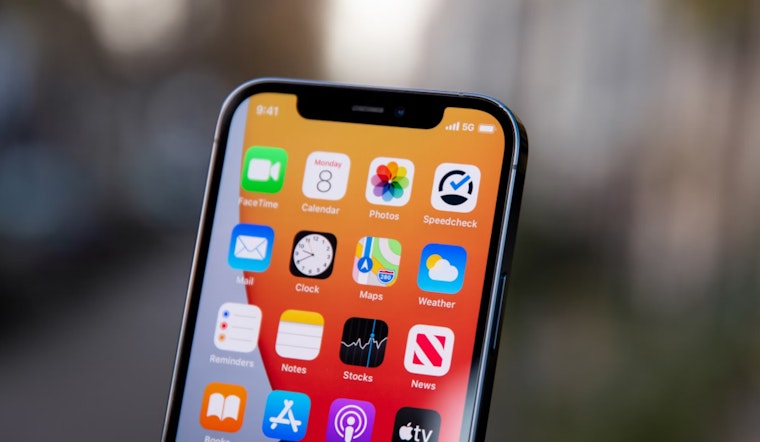
In two distinct movements across Texas school districts, the reality of mobile phones in education continues to prompt policy changes. Runge Independent School District, for example, is using these pocket-sized devices as a bargaining chip to encourage attendance. The incentive for students is cellphone usage during breaks, a privilege tied to maintaining an attendance rate above 95 percent, as reported by KENS 5.
Meanwhile, Montgomery Independent School District implemented a comparatively stringent cellphone policy, mandating that students "put cell phones 'away for the day'" in backpacks, lockers, or vehicles, according to Click2Houston. The district seeks to fervently reclaim the learning environment, contending with the wide array of distractions that even the mere presence of a device can elicit. Superintendent Dr. Mark Ruffin, upon listening to teachers, parents, and students, noted that cellphones had emerged to hinder student learning and to subvert classroom discipline.
At the epicenter of this Runge ISD decision lies pragmatic Superintendent Hector Dominguez, whose tactic not only aims to directly enhance the scholastic ambiance by means of attendance but also to subtly boost the district's finances. With Texas public school funding stagnant since 2019, the stakes for districts like Runge are higher than many might fathom. Director Dominguez told KENS 5 that an incremental attendance uptick of just 1% can enlarge the district coffers by approximately $15,670. A significant incentive indeed, for a campus that cradles roughly 76 students in its academic embrace.
Contrasting sharply to Runge's incentivized strategy, Superintendent Dr. Ruffin proposes that the Montgomery's policy will empower staff to provide more engaging instruction, citing an array of desirable academic and social benefits to students as brought forward in the Click2Houston report. Yet, these differing approaches both land amidst a broader national conversation—one fraught with legislative endeavors seeking to standardize how to mitigate or employ these devices in educational settings. Oklahoma, Kansas, Vermont, Ohio, Louisiana, and Pennsylvania are amongst those who have embarked cautiously on this path, each grappling with the very nature of communication in our contemporary epoch, as reflected by Runge ISD's own proceedings.
It remains to be seen how effective these policies will be in enhancing student engagement and achievement. Runge's new policy is already being closely monitored, with provisions stating that if expectations for cellphones are violated, the cellphone will be turned in to campus administration, incurring a $15 fee for its return at the day's end. In Montgomery, transgressions against the policy will result in disciplinary actions, which include confiscation, detention, and parental notification. As the new academic year unfurls, the juxtaposition of these Texan districts’ policies will perhaps shed some light on how best to achieve a harmonious balance between the lure of technology and the sanctity of education.





