

























































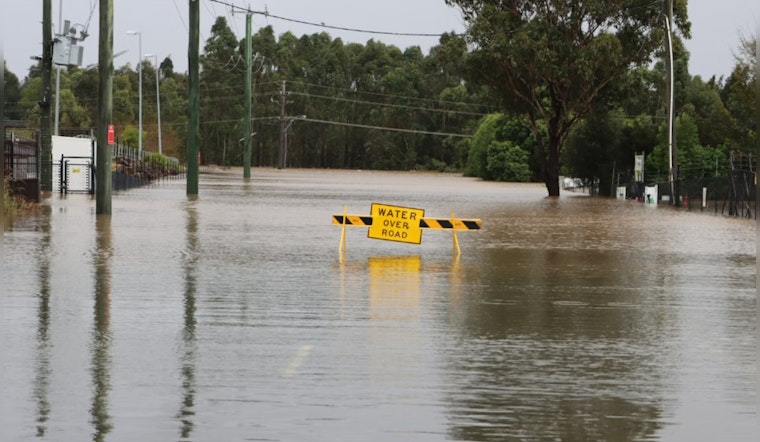
The Texas Water Development Board made history today by adopting the state's first-ever statewide flood plan, aiming to shield millions from the increasing threat of flooding. The groundbreaking plan recommends a total of $54.5 billion in strategies and studies, designed to protect the one-in-six Texans who live or work in areas at risk of flooding, reported the Houston Chronicle.
Garnering nearly half of the plan's budget, the "Ike Dike," a series of gates, floodwalls, and dunes proposed to protect the Houston-Galveston region from storm surges, sat at the top of the priority list. With this comprehensive plan, state lawmakers have gone above and beyond the typical flood prevention investments which totaled about $1 billion in the last legislative session. According to the Houston Chronicle, more than 3,000 of the plan's 4,609 recommendations are geared towards funding research projects, hinting that ultimate costs may escalate.
In a statement to the board, Reem Zoun, head of the TWDB's Flood Planning Division, underlined the importance of a statewide plan irrespective of the funds to back all projects that emerged. With many Texas regions previously lacking detailed hazard mapping or strategy to prioritize flood control, this plan is seen as a crucial step forward. "The intent is that it will be funded by any and all possible sources, not just by the state," Zoun told the Houston Chronicle.
The development was met with enthusiasm by community members and local officials, including Frances Acuna, a volunteer who worked on the regional flood plans. "This plan has brought a lot of what we have been advocating in the past years," said Acuna, noting the increased hope it offers communities devastated by flooding. Acknowledging the role of outdated infrastructure, Acuna cited that, "Because of increased development, old infrastructure doesn't have the capacity to hold the water" in her comments to the Houston Chronicle.
Meanwhile, Texas Living Waters celebrated the adoption of the plan, recognizing the importance of a holistic approach towards flood management and emphasizing the incorporation of nature-based solutions. The project has been heavily involved in the planning process, advocating for methods that can contribute multiple benefits to the ecosystem. They also see the plan as a start to a long-term commitment, looking forward to continued public engagement and funding to see the recommendations come to fruition.
Despite initial criticisms concerning the omission of the term "climate change" during earlier drafts, the plan is now positioned to guide future legislative sessions. With a focus on the impact on 100-year floods, the TWDB aims to inform lawmakers in shaping effective flood mitigation policies. The foundation laid by this first-ever plan underscores the state's dedication to addressing risk and building resilience against flooding, as Texas Living Waters reiterated the need for public outreach and the implementation of policy recommendations.




