

























































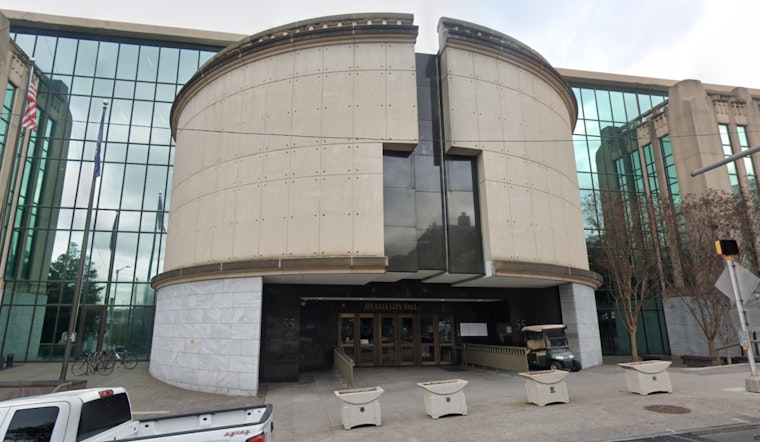
Atlanta’s City Council is tackling with inventive strategies to address the blighted properties littering its urban landscape, most recently via a proposal to deploy city funds for their acquisition. Atlanta City Council members Andrea L. Boone and Antonio Lewis presented the resolution yesterday, which seeks to expedite development and community improvement, as reported by WSBTV.
The initiative aligns with moves made less than a month prior, where a "blight tax" was greenlit to impose a tax increase up to 25 times the current rate on neglected properties, this punitive action aims to reduce the decay that these abandoned structures bring forth, and now the conversation pivots to the possibility of city funds playing a dire role in bringing these derelicts back into the fold of community viability. In the words of Atlanta City Council member Michael Bond, "There are a lot of options on the table for the city when it comes to property development," a sentiment echoed during a council meeting as noted by FOX 5 Atlanta.
These abandoned and condemned sites not only blight the urban vista but they also place an undue burden on the city's services, with calls to first responders for emergencies at these properties not being uncommon occurrences, according to Michael Bond, they are a persistent and costly affair for the city. The plan suggests that dealing squarely with the owners resistant, or unable, to manage their properties aligns with a broader vision to salvage these properties, and in turn, possibly convert them into affordable housing opportunities for populations in dire need.
However, the recent proposal draws a line in the sand, rejecting outright the usage of eminent domain on account of state code, instead, the council looks toward perhaps consigning the properties to urban housing authorities or floating them in the marketplace for private developers—ostensibly with affordability and inclusivity as foundational aspirations for the city's future.
The proposal, garnering unanimous approval from the Public Safety and Legal Administration Committee—save for the absence of both Bond and Mary Norwood—sets the stage for pivotal decisions about the fate of such properties, outlined in Boone and Lewis's resolution to vitalize neighborhood plans and development objectives, addressing the question of how a city contemplates. As the conversations persist at City Hall, there is hope that these neglected sites could become the foundation for a revitalized and more equitable Atlanta.





