

























































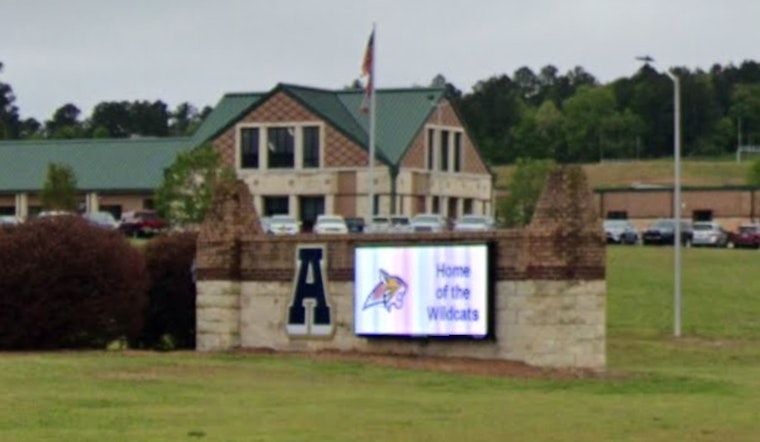
In Atlanta and surrounding metro areas, a wave of student activism swept across school campuses on Friday, as students walked out of their classes to take a stand against gun violence following the recent tragedy at Apalachee High School, where two students and two teachers were fatally shot. This movement, propelled by more than sentiments, was a demand for legislative reforms, according to The Atlanta Journal-Constitution.
Despite the gravity of their message, these students face more than just the challenge of advocating for change in policy. School districts like Cobb County have issued warnings, alerting students that participating in the walkouts could result in disciplinary actions and potential suspensions. This stance is predicated on the disruption caused to "any normal school process" and was detailed in a release where the district advocates for expression that doesn't disrupt school—an utterance reflecting the tension between bureaucratic order and youthful dissent. The same district, however, has offered alternative modes of reflection, as reported by FOX 5 Atlanta.
More than 30 schools saw students participating in the organized walkouts, creating a collective gesture of mourning and a clamor for action. One piece of legislation brought to light by the students is the proposed Pediatric Health Safe Storage Act, which would hold those accountable for making firearms accessible to children. The bill, introduced in 2023, is yet to be voted upon, in stark contrast with the immediate needs and voices of the community. The movement, reminiscent of the student-led activism following the 2018 Parkland shooting, calls not only for policy changes but for a deeper engagement with school safety improvements and mental health resources.
During the rallies that followed the walkouts, students bravely voiced their fears and demands. Sasha Contreras, a junior at Apalachee High, poignantly shared her harrowing experience having almost lost her mother during the shooting—highlighting the personal stakes intertwined with political advocacy. Contreras, alongside other youth activists, pressed for concrete measures, pointing out the lack of tangible safety strategies provided by the school to prevent future incidents. Her sentiment on the lack of preventative measures was echoed by Gwinnett County's Danielle Watson, who, moved by the students' speeches, contemplated not just the need for mental health professionals but also gun control as a plausible solution, as mentioned in The Atlanta Journal-Constitution.
This string of walkouts and subsequent rallies underscores a generation's exasperation with repeated incidents of violence and sends a clear message: these young voices are determined to be heard, and their collective calls for change appear undeterred by threats of school-imposed penalties. The affected communities, still reeling from the aftermath of senseless tragedy, seek more than platitudes or temporary measures—they demand actionable steps to ensure that the horrors of gun violence do not repeat in their halls.





