

























































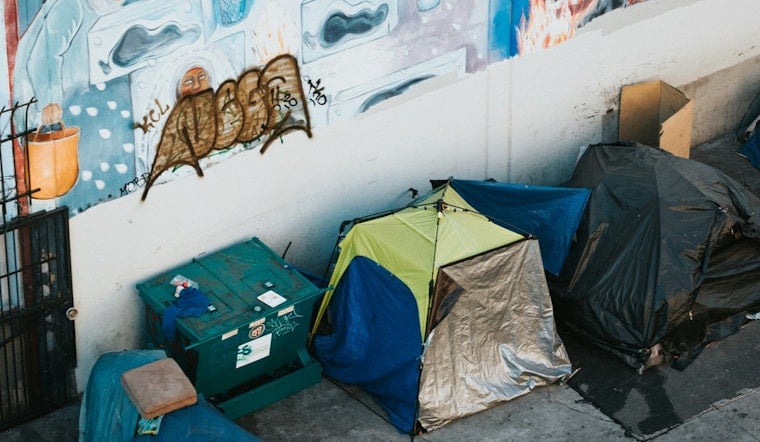
More than 100 individuals experiencing homelessness in Austin found themselves relocating from encampments into city shelters this week, marking a significant step in the city's ongoing effort to manage its homeless population. The closures of camps at four locations — Stephenson Nature Preserve, Springdale Neighborhood Park, Lorraine "Grandma" Camacho Activity Center, and the West Rundberg area — come as a part of Austin's HEAL initiative, aiming to provide a more stable living environment for those without homes.
According to KXAN, 95 of the relocated individuals now reside in the Northbridge and Southbridge shelters, while the remaining 20 have been taken to the Marshalling Yard Emergency Shelter. This action follows the opening of the Northbridge and Southbridge shelters by the city in 2021, coinciding with the launch of the HEAL initiative. The city has since been active in moving people from encampments into these facilities.
Amid this transition, concern arises from advocates like Antony Jackson, CEO of local nonprofit We Can Now, who believes the pathways out of homelessness are multifaceted and challenging. In a statement obtained by KXAN, Jackson revealed, "They are dealing with all kinds of stuff, mental health, drug abuse, being unhoused." Spanning the years, Jackson has seen the toll that prolonged homelessness can take on individuals.
The city's Homeless Strategy Office and partners have worked tirelessly to clear away trash and debris from the disassembled encampments. In a striking example of this effort, more than 31,000 pounds of waste were removed from the Stephenson Nature Preserve alone. Springdale Neighborhood Park also saw a significant cleanup, with over 9,100 pounds hauled away, as detailed by FOX 7 Austin.
However, challenges remain even after the relocation. "So when we ascend an encampment into shelter and then we see two or three days later or a week go by and we see those same people back on the streets, we are very concerned,” Jackson expressed in an interview with KXAN. Adjusting to life within four walls can be a difficult transition for those who have grown accustomed to living without such structure. Jackson emphasized the need for comprehensive wraparound services to support these individuals.
As the city continues to advance its homeless strategies, the HEAL initiative remains a vital component in Austin's larger plan to tackle homelessness. Recognizing the complexities of each person's situation, the city's strategy involves more than merely displacing individuals. “Closing homeless encampments with compassion means more than just moving people to a different location," Homeless Strategy Officer David Gray told FOX 7 Austin. "It involves a careful plan that treats people with respect, considers their unique needs, and offers them real support." With such measures, the city hopes to provide a clearer path toward stability and a life beyond homelessness.
For those looking to support the efforts of organizations like We Can Now, Jackson encourages community involvement. Volunteers are always welcome to join in serving those impacted by homelessness. Additional information can be found on the We Can Now website.



