

























































In a significant push to tackle the opioid crisis head-on, Mayor Michelle Wu and the Boston Public Health Commission (BPHC) declared grants totaling $1 million to enhance prevention and treatment services, specifically targeting the city's Black and Latinx communities. September, recognized as National Recovery Month, serves as the backdrop for this initiative aimed at addressing the disproportionate impact of overdose deaths in certain neighborhoods, according to a Boston.gov announcement.
The funding is courtesy of the Community Overdose Response Grants, a one-time opioid remediation effort aimed at not only providing lifesaving naloxone but also connecting residents to substance use treatments and bolstering public education on overdose prevention. The five community organizations selected—Bridge Over Troubled Waters, Community Caring Clinic, Harvard Neighborhood Health Center, Metro Boston Alive, and Torchlight Recovery—will have three years to deploy these resources across several high-risk neighborhoods. Mayor Wu emphasized the critical role of these organizations in supporting neighbors battling substance use disorders, while Dr. Bisola Ojikutu, the Commissioner of Public Health, highlighted the importance of increasing naloxone access to prevent overdoses and combat stigma.
Certain statistics paint a particularly grim picture of the opioid epidemic's footprint in Boston. The Health of Boston Data Update 2024 showcases a staggering 124.5% increase in overdose mortality among Black residents and a 44.2% increase among Latinx residents between 2019 and 2023, as per the BPHC report. These numbers underline the urgency and the targeted nature of the grants. Addressing the critical needs of Nubian Square and Grove Hall neighborhoods, Abdifatah Ahmed, President of Community Caring Clinic, acknowledged the significance of the city and BPHC's partnership in facing an issue that touches everyone in our community.
Complementing the grant distribution, BPHC has launched several initiatives to mark National Recovery Month. One highlight event is the "Nubian Square Recovery Day," hosted in collaboration with the Nubian Square Task Force, Mayor’s Office of Arts and Culture, and Boston Public Library, where attendees can look forward to recovery speakers, live arts, food, and HIV testing. A permanent naloxone and drug testing strip distribution stand at BPHC headquarters, and the city's provision for organizations to request naloxone in bulk. "We are honored to continue our ongoing partnership with BPHC during National Recovery Month and throughout the year," Tom Johnston, Manager for Events and Partnerships for the Mayor's Office of Arts and Culture, told Boston.gov. He notes the arts' powerful role in the recovery process and the value of the ongoing collaboration in fostering healing within the community.
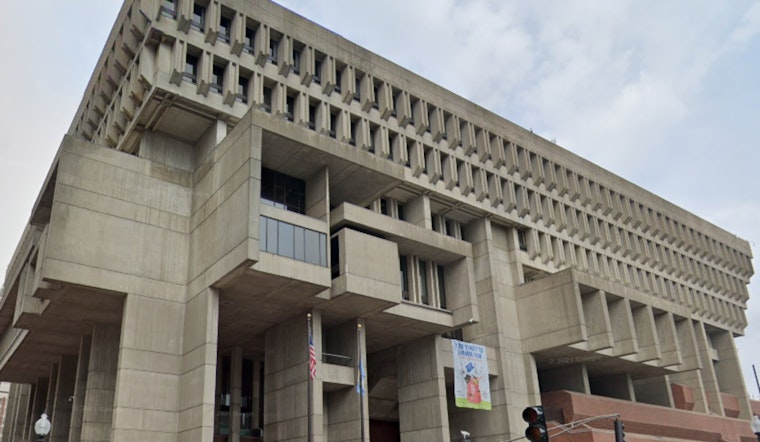
As September wanes, Massachusetts Recovery Day and Boston City Hall's purple illumination will serve as additional reminders of the city's solidarity with those on the path to recovery. These events, along with the grant allotments and naloxone distribution campaigns, represent Boston's holistic approach to curbing the opioid crisis, while also providing those affected with support, hope, and a way forward.





