

























































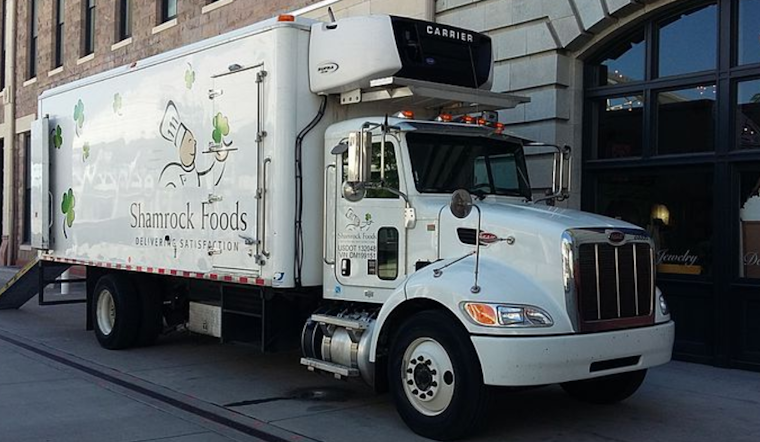
Denver's once bustling late-night food truck scene is facing a new hurdle as city police impose a ban within the Lower Downtown (LoDo) neighborhood to address rising crime rates. The Denver Police Department has identified "Food Truck Exclusion Zones", where food trucks are prohibited from operating between 10 p.m. and 2 a.m. on weekend nights. This action is part of a broader strategy to disperse crowds that tend to gather after clubs and bars close, as obtained by Denver7.
This isn't the first attempt to curb incidents, a similar restriction was put in place two years prior after a police shooting in July 2022 injured six bystanders. The impact on local businesses has been significant said Amore Pizza's manager Gio Tiger, as per KDVR, "At the end of the day, you know, safety first, I understand that. We don’t want to see people killing." As the restrictions tighten, businesses like Tiger's are forced to continually adapt, searching for new locations in areas such as Broadway and the River North Art District.
The move has garnered support from some community members, including the Lower Downtown Neighborhood Association (LoDoNA). Don Ku, a board member of LoDoNA, expressed favor for the change, saying, "We are supportive of moving food trucks to a different location to disperse the crowd," according to CBS News. The police, on their end, are not solely relying on the exclusion zones but are also increasing officer staffing, upgrading area lighting, and enhancing their outreach with local bars and nightclubs.
Alongside curtailing late-night food services, the Denver Police Department plans to create designated zones for food truck operations. Details on this plan remain sparse, with no clear timetable for when these zones will be established. For business owners like Alissa, the need for a consistent policy is paramount. Alissa explained the dilemma, stating, "At least I still have a restaurant, and I make some money, but the employees, this is their income," as noted by CBS News. With the food truck ban introducing new uncertainties, the livelihoods of those working in the mobile food industry in LoDo hang in the balance. Meanwhile, patrons will have to look elsewhere to satisfy their post-midnight cravings in the neighborhood.





