

























































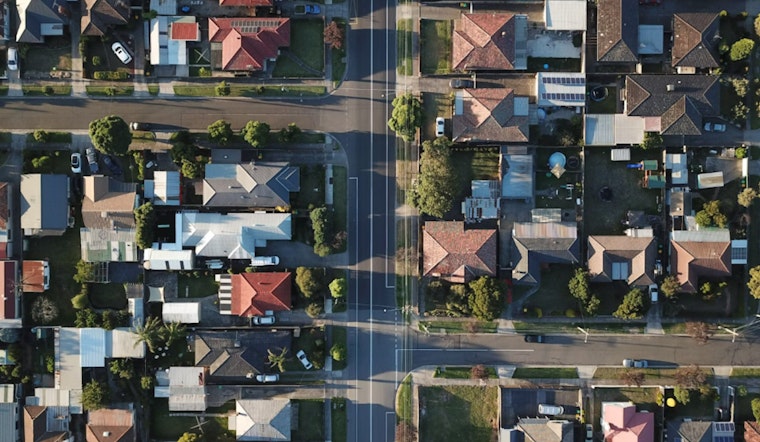
While Houston's core may have hit a plateau, its suburbs continue to flourish with burgeoning populations. Last year, suburban counties around Houston saw growth rates that dwarfed the city's modest increase. The Houston metropolitan area, comprised of 10 counties, grew by 2%, adding about 170,000 residents from 2022 to 2023. While the city of Houston only added approximately 7,000 residents, hiking up its population by a mere 0.31%, according to the Houston Chronicle.
Among these suburban areas, Fulshear stood out with an astonishing 25.6% increase in population, as noted in the CultureMap Houston report, ranking as the second fastest-growing city in the nation. These numbers mirror the larger Texas trend, where the state continues to exhibit strong demographic expansion, particularly in its suburbs and smaller cities. In contrast, Houston itself has seen growth mainly from international migration and natural births, given its net loss in domestic migration.
The suburban growth is not only a story of numbers but also of diversity. In particular, Liberty County saw a significant demographic shift. "Hispanic and Latino people accounted for the vast majority of Liberty County’s growth last year, adding more than 7,000 residents, which represents a 20% increase according to the data. Hispanic and Latino people now account for nearly 42% of the county’s residents," the Houston Chronicle outlines, emphasizing the role of people of color in the area's expansion. Montgomery County, too, experienced population growth across nearly all racial and ethnic groups, pointing towards a diversifying regional profile.
According to the experts, factors such as better schools, lower home prices, and opportunities for remote work make these areas particularly attractive. "Often when we see racial or ethnic groups growing quickly in an area, essentially there’s been a base established there and then people can move and be close to people who have similar values, similar cultures and languages and so on," Texas State Demographer Lloyd Potter explained to the Houston Chronicle. This community-based attraction, among other lures, draws new residents, feeding into the suburban growth narrative.
Understanding the complexity of the demographic ebb and flow within Houston's borders, Houston Population Research Center's Daniel Potter views the city's population as "evolving" rather than stalling. Despite few population increases, the city is seeing a rise in single and childless couple households, as evidenced by the nearly 50,000 new households added in recent years.
Meanwhile, in a broader national context, there are signs of modest reversals of population decline in Northeast and Midwest cities, offering a counterbalance to the dominant growth in the South. Some cities long plagued by departures, such as Detroit and New York, witnessed reduced population losses last year. However, this mild respite contrasts starkly with the sustained boom observed across Texan suburbs, with Fulshear representing the leading edge of unprecedented growth rates within the region.





