

























































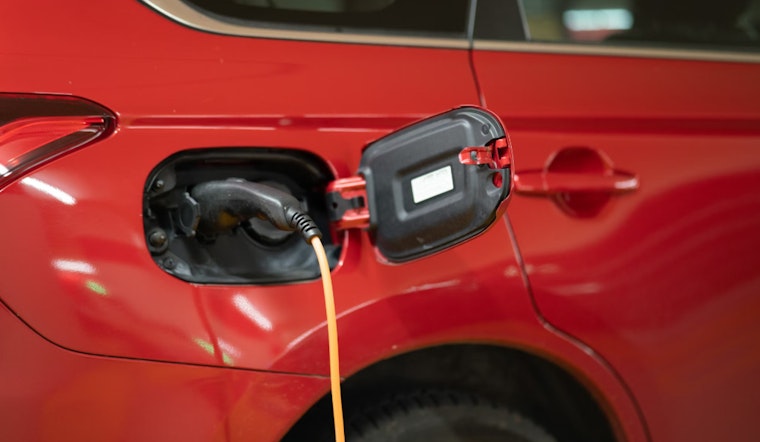
Massachusetts is plugging into the future with a substantial boost from the federal government, as the Healey-Driscoll Administration announced a $16.2 million award aimed at expanding the electric vehicle (EV) charging network across the state. According to a mass.gov press release, the funds from the U.S. Department of Transportation will be used to install affordable public EV charging stations in Boston and various state parks. The initiative, fueled by the DOT's Charging and Fueling Infrastructure Discretionary Grant Program, earmarks $15 million for the Recharge Boston project and an additional $1.2 million for the Department of Conservation and Recreation (DCR) to create a Public Access Electric Vehicle Charging Program.
"Securing federal funding for electric vehicle charging infrastructure is a game-changer for our transportation system," Governor Maura Healey expressed, recognizing the economic and environmental impact of such a project, as mentioned in the same press release. In partnership with the federal government, this advancement looks to encourage a shift towards sustainable transportation, which according to the administration, goes beyond mere infrastructure development, it's about embedding environmental consciousness into the everyday fabric of city life. Lieutenant Governor Kim Driscoll, reflecting on her time as mayor, acknowledged the significance of this move towards a greener future.
Underlining the importance of this transition, Boston Mayor Michelle Wu addressed the critical need for a robust charging network to support the city's shift away from gasoline-powered vehicles. As the urban landscape evolves, the integration of clean energy becomes paramount, with an aim to achieve a green transport system and a sustainable Boston. In alignment with these goals, DCR's Office of Climate Resilience will put their portion of the funds and an additional $300,000 towards strategic planning, including installing up to 40 EV charging stations at selected DCR properties and developing a maintenance plan for the new infrastructure.
Massachusetts has ambitious climate objectives, pushing for a significant reduction in greenhouse gas emissions that necessitate the electrification of the transportation sector. "Securing federal funding for EV charging stations in state parks is crucial for addressing range anxiety and encouraging eco-friendly travel," stated Energy and Environmental Affairs Secretary Rebecca Tepper, as noted by mass.gov. The state's commitment towards building EV charging infrastructure represents a hopeful stride towards its climate and net zero aspirations. The DCR specifically plans a five-year rollout of the grant, including an initial two-year period focused on planning and community engagement, specifically targeting environmental justice, and rural communities.
DCR facilities, which attract visitors throughout the year, will become more than just havens for outdoor enthusiasts but will serve as recharge points for electric vehicles, enhancing the overall experience of park visitors. "Our DCR properties are special places that bring people of all ages, demographics and backgrounds together and connect them with nature," DCR Commissioner Brian Arrigo stated, celebrating the dual benefit of recharging both the vehicles and visitors alike, as per mass.gov. Finally, Director of Federal Funds and Infrastructure Quentin Palfrey acknowledged the broader implications of this funding on advancing the state's climate goals and laying the foundation for a more resilient transportation system.





