

























































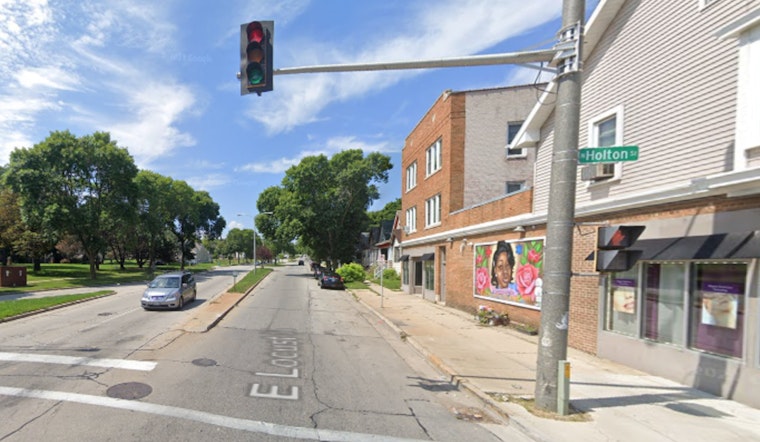
A mural merging the Star of David with a swastika has ignited controversy amidst Milwaukee's community, leading to vociferous responses from Jewish organizations after it replaced a previous depiction of Breonna Taylor at the intersection of Holton and Locust streets. The new artwork bears a provocative message, stating, "the irony of becoming what you once hated," a phrase that has been interpreted as correlating the genocide that occurred during the Holocaust with the casualties of the ongoing conflict between Israel and Hamas—a comparison that has quickly stirred outrage. StandWithUs, a nonpartisan organization focused on fighting antisemitism and educating about Israel, has labeled the mural as "hateful" and "harmful." Rebecca Fine, the group's associate director, expressed her perception of the piece to WISN, stating, "This mural doesn't solve anything" and decried it as a representation of anti-Israel sentiment.
In addition to the creating party's assumed parallels drawn between the historic atrocities and recent conflicts, the mural also features depictions of bombed-out buildings and civilians in distress, despite claims that its presence serves no purpose other than to inflict hurt on Holocaust survivors, as elaborated by the Milwaukee Jewish Federation in a statement obtained by CBS 58 and yet again in a comment by Miryam Rosenzweig, president of the Milwaukee Jewish Federation to Jsonline, who referred to the artwork as "vile" and "horribly antisemitic." While the federation acknowledges the notifications about the offensive image and asserts its commitment to crafting a formal response, details of any potential actions have yet to be unrolled.
The building owner, identified in reporting as Palestinian, has thus far declined requests for commentary, refraining from adding his voice to a discourse already fraught, preferring silence to the risk of his words being taken out of context, according to a statement from CBS 58. This absence of the owner's voice in the public domain has not prevented the broader canvas from brimming with the disagreement and discomfort brought forth by this divisive imagery—imagery that clashes with the memories and horrors inherited by surviving generations of the Shoah.
The artwork's implications, as they relate to the staggering number of lives claimed in the Israel-Palestine conflict, exposes the deep roots and persistent edginess of a community divided—not solely by the strokes of a muralist's brush, but by the enduring question of how we represent and interpret history and suffering, Israel, according to its data, reports 1,200 casualties whereas the Health Ministry cites over 41,000 Palestinians killed in Gaza, as per WISN. Dual historical traumas now symbolically linked on a Milwaukee street, prompting records of dissent and dismay to trail a path as complicated as the intertwining symbols they rebuff, each iteration of response further entangling the threads of politics and history—each a mark upon the wall that echoes a past while drawing lines that intersect with our present-day consciousness.



