

























































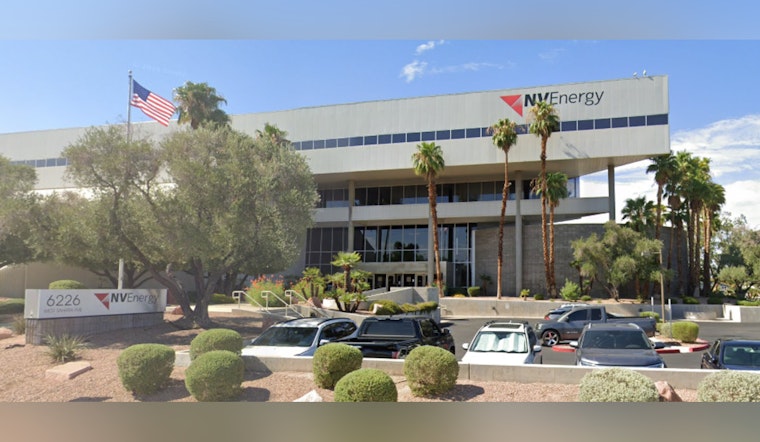
The Nevada Legislature's Joint Interim Standing Committee on Growth and Infrastructure moves to require greater transparency in energy disconnections, a recent proposal is putting Nevada energy companies under scrutiny for their lack of public data on power shut-offs. If the bill is passed, energy providers will be mandated to report disconnection details, including the location and demographics of affected households, to the Public Utilities Commission monthly, aligning the state with 25 others that already mandate such disclosures, as reported by News 3 LV.
According to Nevada Current, energy companies disconnected 3 million consumers for missing bill payments. While NV Energy has stated that it "works diligently with customers and makes every effort to avoid disconnecting power," they have not been forthcoming with disconnection data, a stance that has masked the scale of the issue from the public view. The energy provider's reliance on privacy and their customers' need for transparency and support.
Olivia Tanager, director of the Sierra Club Toiyabe Chapter, emphasized the importance of this data in a statement obtained by Nevada Current, saying, "Both the reporting and the associated demographics would help us give a better picture of what's going on in terms of people's ability to pay their energy bills each month." The bill, which was recommended by the Sierra Club Toiyabe Chapter, addresses a data gap that has left Nevada communities in the dark regarding the prevalence of power disconnections related to non-payment, especially during extreme weather conditions.
Moreover, NV Energy's recent push to increase the basic monthly service charge from $16.50 to $45.30 for Northern Nevada residents. Despite the utility's reluctance to publicize disconnection figures, the debt from uncollected accounts — which ultimately falls on the shoulders of remaining customers — has been shown to exceed $13 million, as per a News 3 LV report.
The U.S. Energy Information Administration indicates that around one in four American households face energy insecurity each year, predominantly among Black and Hispanic populations. In light of these discrepancies, the proposed bill could serve as a pivotal step in advocating for energy justice and assisting policymakers in crafting more equitable energy strategies to support vulnerable populations.





