

























































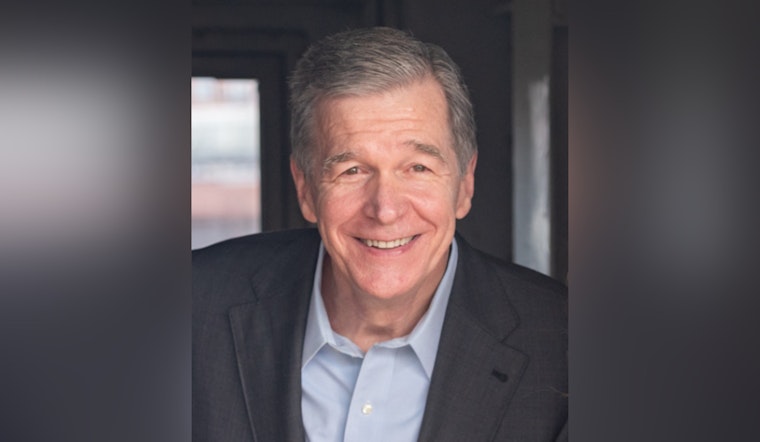
North Carolina Governor Roy Cooper vetoed House Bill 10 on Friday, a piece of legislation that would have substantially increased funding for private school vouchers while also obligating local sheriffs to comply with federal immigration enforcement in certain cases, reports from ABC11 and WRAL outlined; the controversy centers around the bill's initiative to ease the 54,000-strong waitlist for the Opportunity Scholarship Program with $463.5 million in funding, while simultaneously mandating that sheriffs honor ICE detainment requests for individuals without legal status in the United States, under certain conditions.
Despite the Republican supermajorities that could override the governor's veto, Governor Cooper stands firm in his position, stating, "We're here today because we know that private school vouchers are the biggest threat to public schools in decades," according to The News & Observer; however, the governor suggested that keeping the veto could be possible if enough bipartisan support is gathered to block the override, raising questions about what will happen in this legislative deadlock.
Opponents of the bill, including Governor Cooper, are concerned about the effects of using taxpayer dollars for private institutions, which could impact public school funding and inclusive education. Meanwhile, advocates like Brian Jodice, Executive Vice President of Parents for Educational Freedom in North Carolina, support the bill for its focus on investment, in agreement obtained by ABC11.
The disputed legislation also addresses the issue of ICE cooperation, requiring sheriffs to detain individuals suspected of being in the U.S. illegally when requested by federal authorities. Opponents argue that this violates constitutional rights, especially when it involves detaining individuals who have met bail conditions. This part of the bill has divided sheriffs in counties like Wake, Durham, and Orange, with some calling the practice unconstitutional, as covered by WRAL.



.jpg)