

























































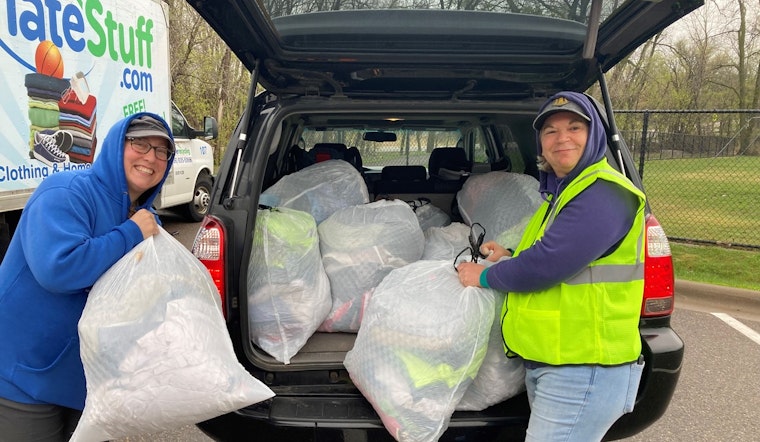
In the ongoing battle against waste, Ramsey County is making strides toward sustainability with an innovative approach to dealing with unwanted textiles. In partnership with Retold Recycling, Ramsey County recently conducted a trial collection event allowing residents from Roseville, White Bear Lake, and Saint Paul to responsibly dispose of their castoff fabrics, a service especially valuable for those items not suitable for traditional donation due to being torn or stained.
The collaboration with Retold Recycling not only offered residents a convenient way to offload their textile waste, but it also ensures that these materials find a second life; approximately 39% of the collected textiles are resold in thrift stores and the remainder are turned into a material known as "shotty", a type of pulp used in products ranging from punching bag filling to car seats and cleaning rags, in a surprising twist, the collected textiles during the initiative amounted to a staggering 7,728 pounds.
This hefty collection equates to a significant environmental impact; diverting an equivalent of 483 trash bags from landfills and saving enough energy to charge more than 700,000 cell phones—demonstrating the substantial benefits of such a seemingly small action. The trial in Ramsey County highlights the potential scale of the positive effects recycling programs can have both locally and globally when communities are provided with accessible opportunities for sustainable practices.
There is more good news on the horizon for the environmentally conscious residents of Ramsey County, the authorities are committed to offering more opportunities to recycle unwanted textiles, acknowledging the successful trial and the continued need to create waste management solutions that complement the community's devotion to environmental stewardship, testament to the region's dedication to forging a greener future, the initiative stands not merely as an experiment in sustainability, but as a promising blueprint for replication in other communities aiming to reduce their textile waste footprint.





