

























































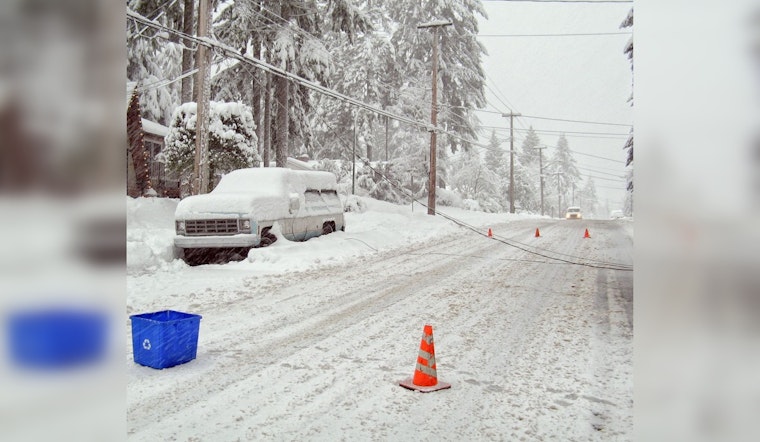
Rice County officials are calling for public feedback as they set out to renew their Hazard Mitigation Plan (HMP), a crucial document assessing the natural dangers threatening the region, tapping into the community's insights on severe weather impacts and ideas for bolstering defenses against future catastrophes. The county collaborates with U-Spatial at the University of Minnesota Duluth to comprehensively revise the plan, which takes into account threats from tornadoes, straight-line winds, ice storms, blizzards, wildfire, flooding, and extreme temperatures.
An appeal is out to Rice County residents, business owners, and organization heads, seeking their input as the county outlines strategies to mitigate natural disasters, the pursuit of shared resilience, and a chance to shape responses to nature's ferocity. The goal—amplify community voice in hazard readiness. According to Rice County, Minnesota, Joseph Johnson, the director of Emergency Management, emphasized the importance of the plan, stating, "Understanding the natural hazards that can cause serious impact to our communities and taking action to reduce or eliminate the impact of future disasters makes us more resilient."
The plan's focus extends across the county, inclusive of all cities and townships, seeking to integrate the perspectives and requisites of school districts, watershed zones, and others, as per Rice County, Minnesota. It is the product of a planning team including county department representatives, local municipalities, and key stakeholders, and its completion leads to submissions for approval from the Minnesota Department of Homeland Security and Emergency Management and FEMA.
Proposed mitigations span from community education on severe weather preparedness to improving infrastructure, like enhancing stormwater systems and providing safe rooms for tornadoes; these measures could become candidates for FEMA grant funding. For the county to accurately represent and address the concerns of its people, it's pivotal for residents and businesses to partake and convey their perspectives, insights into the region's vulnerabilities, and ideas for risk reduction measures, aiming to counter the perilous cycle of damage and reconstruction stemming from frequent natural scourges.



