

























































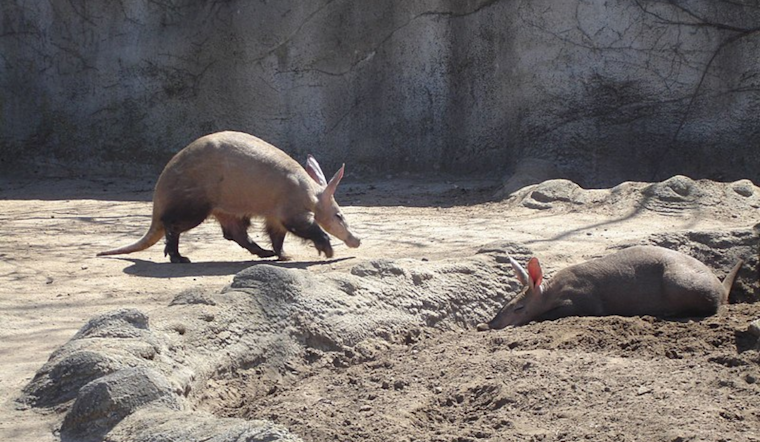
The San Diego Zoo Safari Park is home to a new, historically significant resident, with the birth of its first-ever aardvark calf making a cute splash. This curious little creature is the offspring of the safari park's aardvarks Padmae and Azaan and has been described by zoo officials as "strong, confident and curious." The arrival of this calf represents a noteworthy development for the park, with further details shared in a release obtained by CBS8.
While the calf doesn't hold a name yet, its presence has caused quite the stir. According to the same release, Padmae is an intuitive, nurturing, and patient mother who is often seen attending to her new role with an understanding that seems to come naturally to her. The pair, important in acting as ambassadors for their species, are enjoying their time bonding in their burrow, away from the public eye for the time being. However, zoo patrons hoping for a glimpse of the park’s newest addition may be in luck soon, as officials hinted at opportunities through special presentations or behind-the-scenes tours as teased in a recent Twitter post by the San Diego Zoo Wildlife Alliance.
Special delivery 🎉 SDZWA recently welcomed the first aardvark cub ever born in the Safari Park's history. This nosey little one is already keeping mama Padmae on her toes and spends most of its time exploring the burrow or nursing. Guests may be able to see Padmae's mini me… pic.twitter.com/ZX2qDiCsrk
— San Diego Zoo Wildlife Alliance (@sandiegozoo) September 24, 2024
On a factual note, aardvark finds its etymology rooted in the Afrikaans language, meaning earth pig. These sub-Saharan African natives often fly solo in the wild, with the mothers raising the calves without assistance for about six months, at which point the young can fend for themselves. A single aardvark can consume up to 50,000 insects in one evening, showcasing their impressive appetite and ecological role. Notoriously nocturnal, the creatures are equipped with powerful front legs and extended claws for digging sizable burrows, which provide daytime shelter and a nocturnal base for their insect-slurping escapades, using long, sticky tongues to feast on ants and termites.
Regarding conservation, the aardvark is considered of Least Concern by the International Union for Conservation of Nature (IUCN) Red List of Threatened Species. However, the species has challenges, such as habitat loss and hunting, threatening their well-being. The data collection efforts by the San Diego Zoo Wildlife Alliance, including behavioral observation and hormone analysis, are aimed at deepening the understanding of aardvark biology, particularly regarding reproduction, birthing, and parenting behaviors, which "Zoo officials said in a release," is crucial due to the elusive nature of these creatures' nocturnal habits, said in a statement obtained by CBS8.



.jpg)